
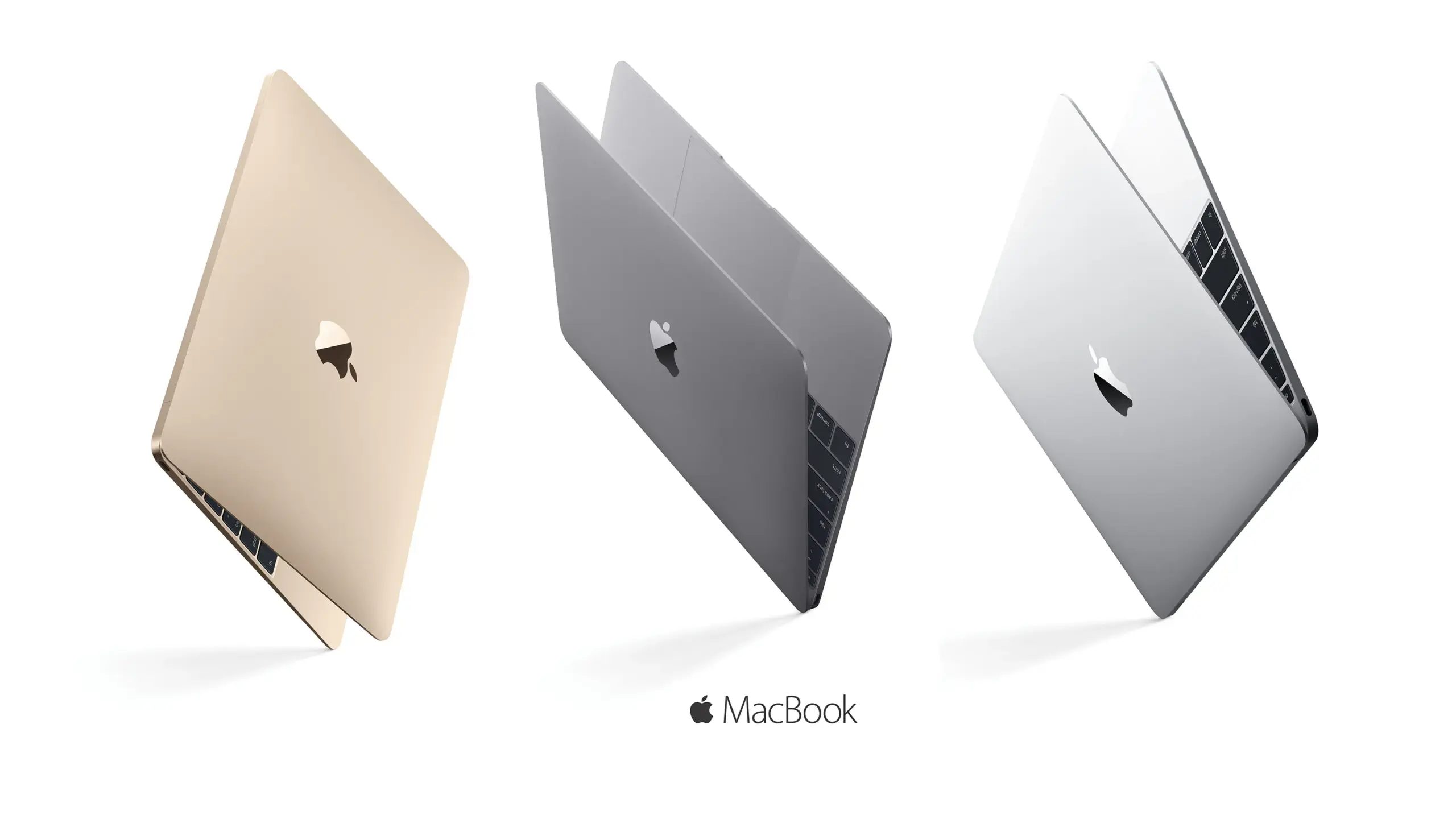
Three older Macs crossed a quiet but meaningful line this week. Apple updated its obsolete products list to include the 2018 Retina MacBook Air, the 2018 13-inch MacBook Pro with four Thunderbolt 3 ports, and the 2017 13-inch MacBook Pro with two Thunderbolt 3 ports — all machines that, until now, sat in the less severe “vintage” category.
The move follows Apple’s usual timeline for phasing out old hardware, even if most people never think about it until their own machine gets caught up in it. A product lands on the vintage list once five years have passed since Apple stopped selling it, then graduates to obsolete at the seven-year mark. It’s a distinction that sounds bureaucratic, but it actually changes what owners can do. Vintage Macs can still be repaired at Apple Stores or through Authorized Service Providers, assuming parts are on hand. Obsolete ones generally can’t since Apple stops stocking components for them, and most repair paths close off entirely.
There’s one exception worth knowing about, though: batteries. Apple runs a separate, longer window for battery service on Mac laptops, covering them for up to ten years after the last sale date. So even with these three machines now marked obsolete, owners may still be able to walk into an Apple Store and get a battery swapped, at least for a little while longer.
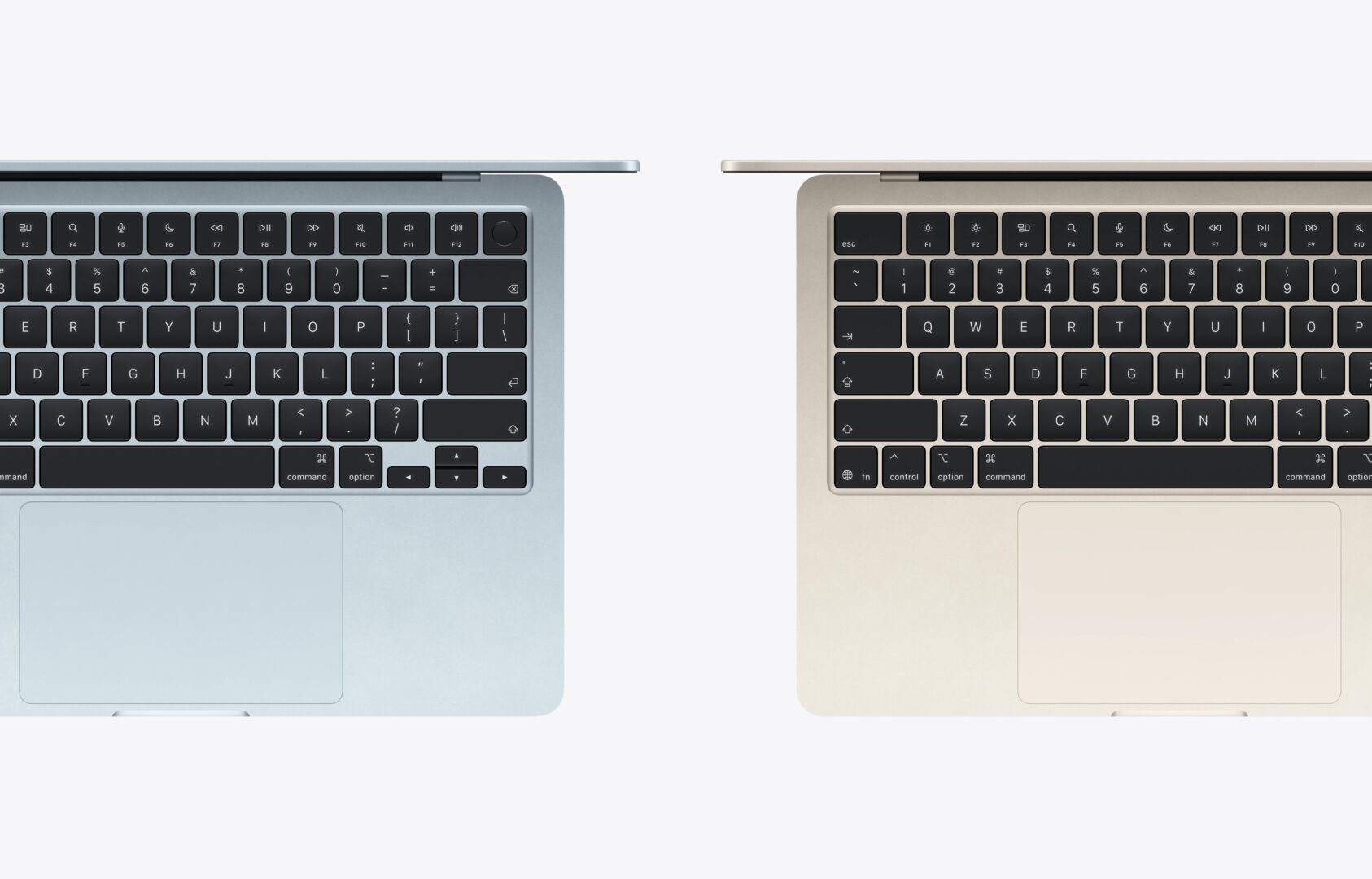
Both machines have a decent claim to significance in the MacBook Air and Pro lineages. The 2018 Air wasn’t just a spec bump — it was the first Air to ship with Touch ID and the first with a Retina display, replacing the older, dimmer, lower-resolution panels that had defined the line for years. Apple also gave it a physical redesign that year, trimming the bezels and shaving down the overall thickness, a look that set the template for Airs to come.
The Pro side of this update tells a smaller story. The 2017 model was mostly an internal refresh, built around Intel’s Kaby Lake chips without much else changing. The 2018 version added a bit more: support for True Tone displays and a third-generation butterfly keyboard, part of Apple’s long, occasionally rocky attempt to perfect that keyboard mechanism before abandoning it altogether a couple of years later.
For anyone still holding onto one of these three Macs, the practical takeaway is simple get it looked at now if something needs fixing, because the repair window is only going to get narrower from here.
Comments
Comments will load as you approach this section.