
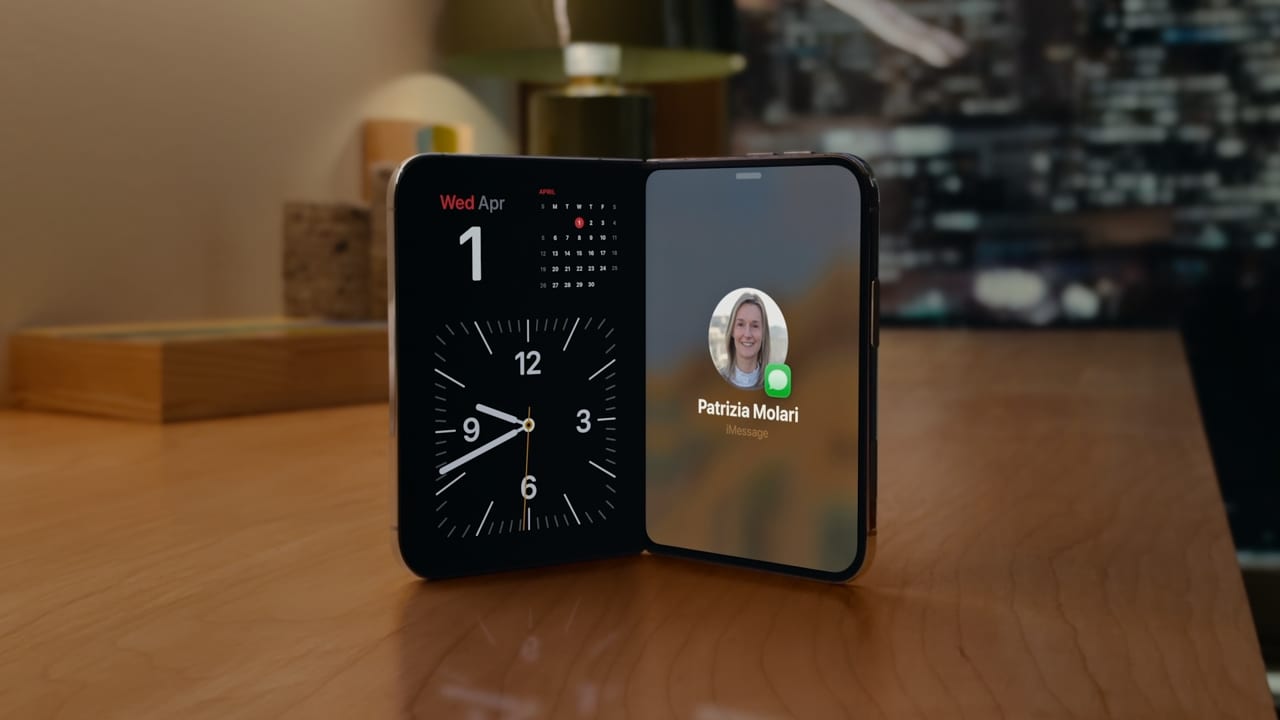
The iPhone Duo’s most expensive component might not be its chip or camera system after all. As per the report from leaker Instant Digital on Weibo, Apple and Samsung Display have signed an exclusive three-year agreement covering foldable display panels, with each panel reportedly costing Apple around $250.
According to the leak, Samsung Display will serve as Apple’s sole supplier of folding panels for the iPhone Duo, and for whatever foldable models come after it during that three-year window. The leaker specifically called out the display as one of the most expensive individual components inside the device, which lines up with what’s generally understood about foldable panel technology given how complex and costly it remains to manufacture compared to standard OLED screens.
There’s no confirmed breakdown yet of the iPhone Duo’s full bill of materials, the kind of detailed cost analysis that typically covers everything from the display and camera system to the processor and memory. That level of detail usually only becomes available once independent teardowns start happening after a device reaches store shelves, something expected to occur once the iPhone Duo launches next month.
Apple has been more forthcoming about the materials used to build the device from a sustainability standpoint, though. According to the iPhone Duo’s official press release, Apple built the device with 35% recycled content overall, including fully recycled cobalt inside the battery and fully recycled titanium in the 3D-printed hinge cover. Apple also says manufacturing relies on 60% renewable energy sourced from options like wind and solar across its supply chain, part of the company’s broader push to reach full carbon neutrality across its footprint by 2030. Packaging follows the same approach Apple uses across its other products, made entirely from recyclable, fiber-based paper.
Cost details and sustainability claims aside, a clearer financial picture of what actually goes into building an iPhone Duo will likely take shape gradually, as analysts and repair specialists get hands-on access to the device following its release.
Comments
Comments will load as you approach this section.