
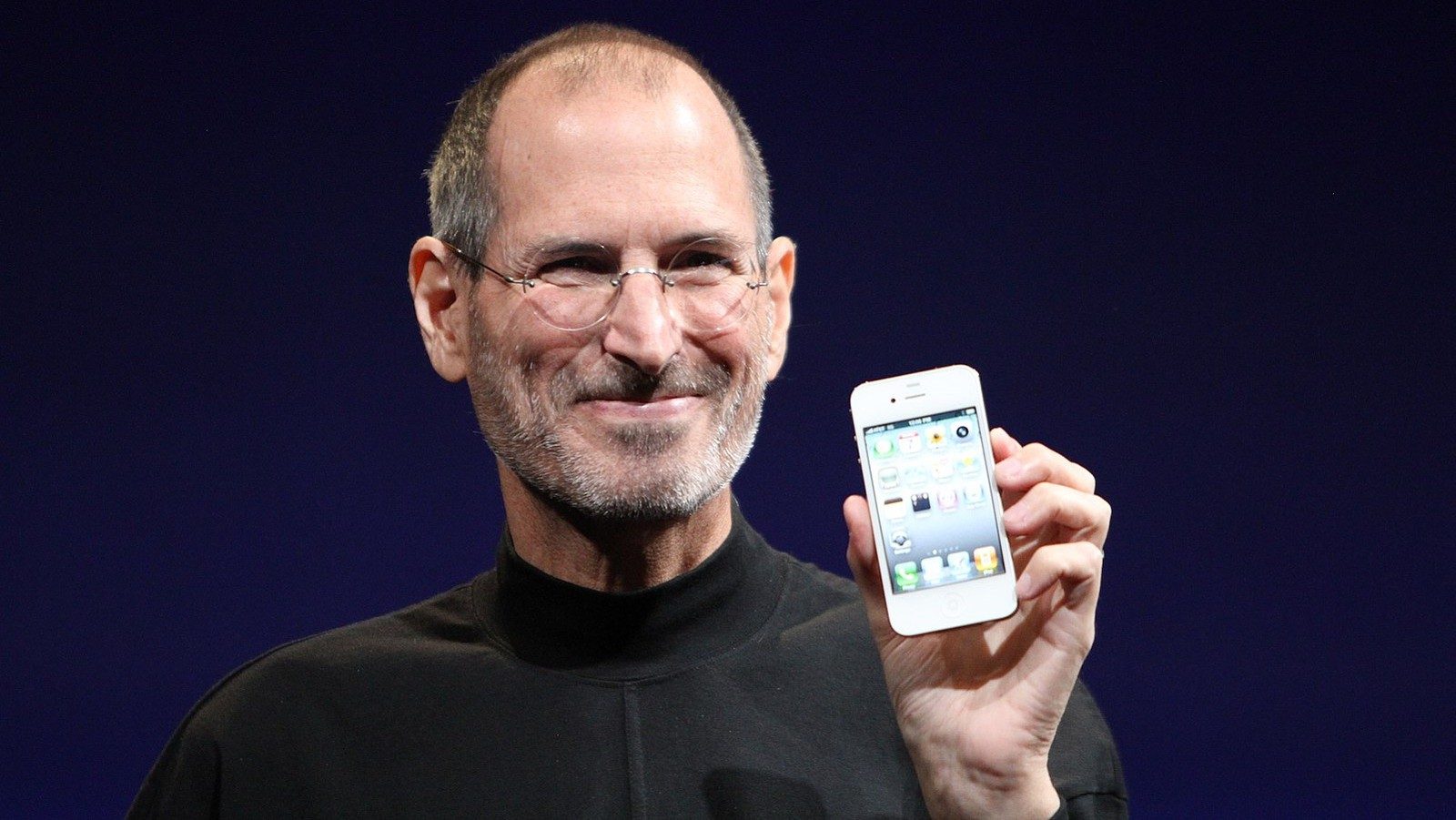
Today marks fifteen years since Steve Jobs died from pancreatic cancer at 56, just one day after Apple had introduced the iPhone 4s at its Cupertino headquarters. The timing back then felt almost unbearably cruel, a company riding high on a new product launch one morning, then grieving its founder the next. A decade and a half later, that whiplash has faded into something quieter: an annual ritual of remembering someone whose influence still hasn’t produced an obvious successor, not in the sense people originally meant when they started looking for one.
Apple built a page called “Remembering Steve” in the days after his passing, and it’s still live today, holding more than a million submissions from fans around the world sharing memories and reflections. People wrote in from every corner of the planet, some with long personal stories about how a Mac or an iPod changed the course of their work, others with just a sentence or two of gratitude. The company marked the first anniversary with a photo and audio slideshow, and something similar is expected again this year, a quiet continuation of a tradition that’s now outlasted an entire product generation.
Tim Cook, who ran Apple as CEO through most of that stretch and now serves as executive chairman, has made a habit of posting his own remembrance each October 5th, a tradition that’s likely to continue under his new title even as day-to-day leadership has shifted elsewhere.
John Ternus, Apple’s CEO as of last month, will presumably mark the day too, carrying forward a tradition that now spans two very different leaders with two very different relationships to the man being remembered. Cook worked alongside Jobs for over a decade. Ternus joined Apple as an intern decades ago and rose entirely through the engineering ranks, meaning this year’s remembrance comes from someone whose connection to Jobs is, in some ways, once removed.
What’s struck people more in recent years isn’t just Jobs’s vision or his notoriously exacting standards; it’s the parts of him that took longer to surface publicly. Ron Johnson’s recently published book, “Shop Different,” revisits the early planning of Apple’s retail stores and includes a moment where Johnson pitched the idea of designing around loving customers. Jobs reportedly pushed back on the word at the time, finding it uncomfortable in a business context, something that clashed with his more clinical instincts around product and strategy. Years later, during the iPhone 4 antenna controversy, he stood on stage and put up a slide reading simply that Apple loves its users. The sentiment had apparently been there all along, even if it took him years to say it plainly, and even longer for the wider public to notice he meant it.
That tension, between someone who demanded relentless excellence and someone who genuinely cared about the people using what he built, is probably why nobody’s managed to earn the label people kept handing out after he died. Plenty of executives have vision. Plenty ship products that reshape how people live. Almost none combine that with the particular mix of obsessive detail, hard-won humility, and real affection for users that colored Jobs’s later years, qualities that rarely show up together in one person, let alone one CEO.
Part of the difficulty is that the comparison itself was never quite fair. Jobs operated during a specific stretch of technological history, one where a handful of decisions, about screens, about interfaces, about what a phone could even be, carried outsized weight because so little had been figured out yet. Today’s landscape is more crowded, more incremental, and arguably less forgiving of the kind of singular, stubborn vision Jobs was known for. That doesn’t mean his qualities don’t matter anymore. It just means the stage they’d need to play out on looks different now.

There’s also something to be said about how differently information traveled back then. Jobs built his reputation in an era before every internal meeting, email, or offhand comment risked leaking within hours. He had room to experiment privately, to be wrong in front of a small team before the world ever found out. Executives today operate under constant scrutiny, with leaks and social media turning even minor missteps into public spectacle almost instantly. That shift alone makes it harder for anyone to develop the kind of unfiltered, iterative creative process Jobs relied on, one where ideas could fail quietly, get reworked, and eventually emerge polished, without an audience watching every stumble along the way.
Maybe looking for a replacement was always the wrong instinct. What he left behind wasn’t a role to fill, but a standard: that ambition and deep care for people were never actually in conflict, and that building something impressive and building something humane could be the same project rather than competing ones. Fifteen years on, that’s the part of his legacy that still seems hardest to replicate.
Comments
Comments will load as you approach this section.