
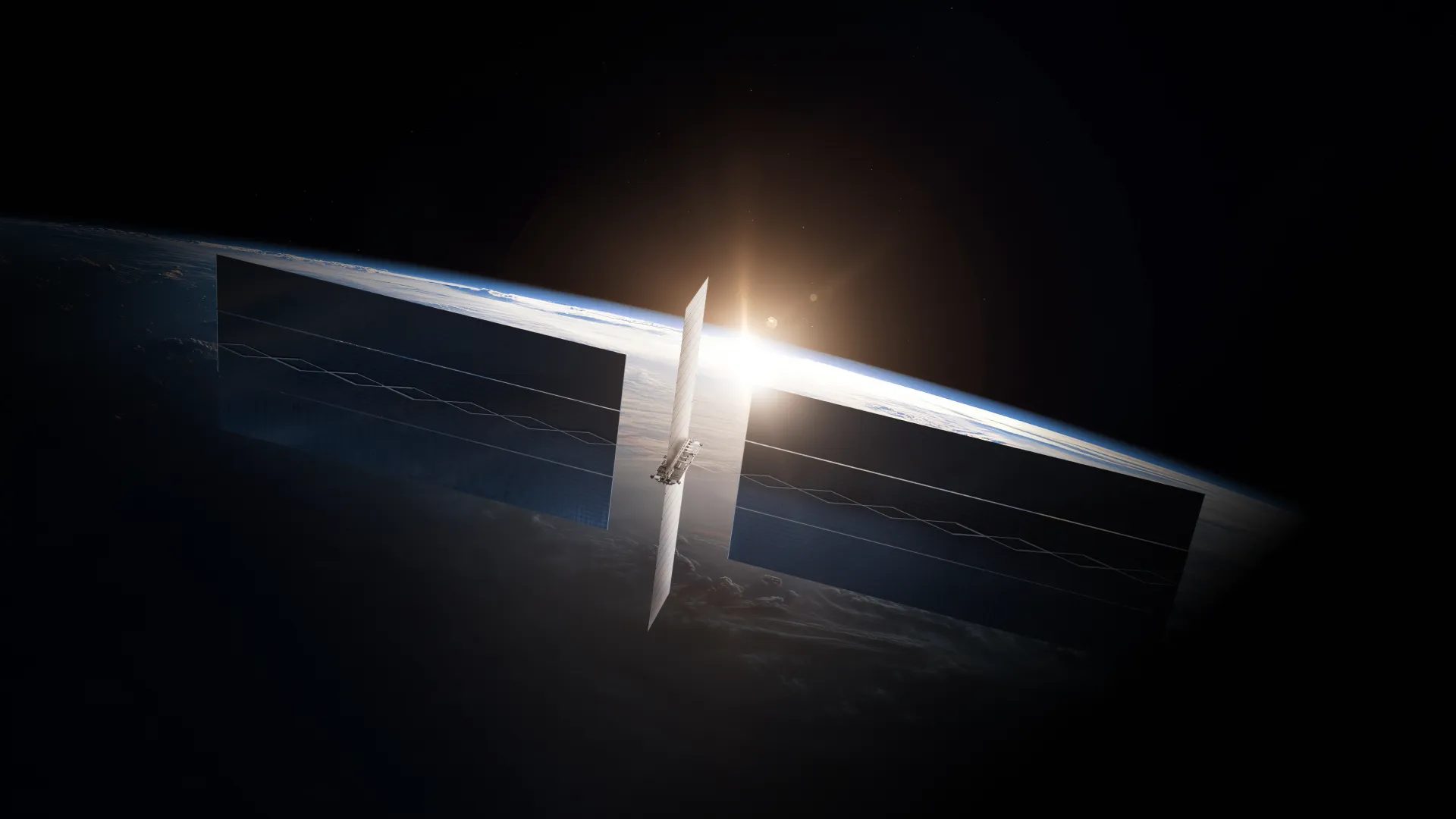
SpaceX has announced two major regulatory and technical milestones that bring its direct-to-cell satellite ambitions much closer to reality. The company reached an agreement to acquire a nationwide 800 MHz low-band spectrum portfolio while securing Federal Communications Commission (FCC) approval for 15,000 next-generation satellites. For smartphone users, including those accustomed to standard cellular networks and existing iPhone satellite safety features, this move signals a dramatic shift toward ubiquitous coverage. Instead of relying on emergency text beacons in remote clearings, mobile devices may soon be able to access data and voice connectivity anywhere under the sky.
The 800 MHz spectrum provides up to 14 MHz of paired low-band frequencies across the US. Lower frequencies travel farther and can overcome solid obstacles far more effectively than higher-frequency satellite signals. This allows Starlink Mobile signals to pass directly through thick walls and reach mobile devices indoors. Interestingly, most of the modern smartphones already support this 800 MHz frequency band out of the box.
Alongside the spectrum acquisition, the FCC officially approved SpaceX’s application to launch 15,000 Gen2 Starlink satellites optimized for global 2 GHz spectrum. These second-generation spacecraft are engineered to deliver over 100 times the bandwidth of the current satellite constellation. The authorization also encompasses essential backhaul frequencies across Ka, V, E, and W bands that link orbital units directly to existing Starlink terrestrial gateways.
Starlink Mobile aims to become the first network provider deploying a fully coordinated blend of orbital and terrestrial spectrum. Satellite features on modern mobile platforms such as the emergency satellite messaging introduced in recent iOS updates, rely on an unobstructed view of the sky. SpaceX plans to bridge that gap by pairing its high-capacity 2 GHz mid-band constellation with terrestrial cell infrastructure and low-band penetration.
Final implementation still hinges on closing the spectrum transaction and securing concluding regulatory clearances from the FCC. Even so, SpaceX’s dual milestones clearly indicate that direct-to-cell satellite service is evolving from a niche emergency backup into a full-scale mobile carrier alternative.
How do you view the future of satellite connectivity on your everyday mobile devices? Share your thoughts in the comments below. Stay updated with the latest news on this by downloading the Appleosophy App from the App Store or by visiting our website.
Comments
Comments will load as you approach this section.