Fresh supply chain reports indicate Apple’s next entry-level device is progressing quickly. South Korean outlet The Elec reports Chinese display giant BOE has been selected as the primary vendor for the iPhone 17e OLED panels, with the model slated for release early next year.
While BOE has secured the largest allocation of orders for the iPhone 17e, it won’t be the only player in the game. The report clarifies that BOE is not the exclusive supplier. The remaining volume of OLED panels is expected to be split between Apple’s long-time partners, Samsung Display and LG Display, ensuring a diversified supply chain for the new handset.
The strategy behind the iPhone 17e remains consistent with Apple’s successful formula for mid-range devices. By recycling components that have already been mass-produced, while upgrading the processor, Apple can offer a competitive device at a lower price point. This enables the tech giant to compete directly with mid-range offerings from Android manufacturers without compromising performance.
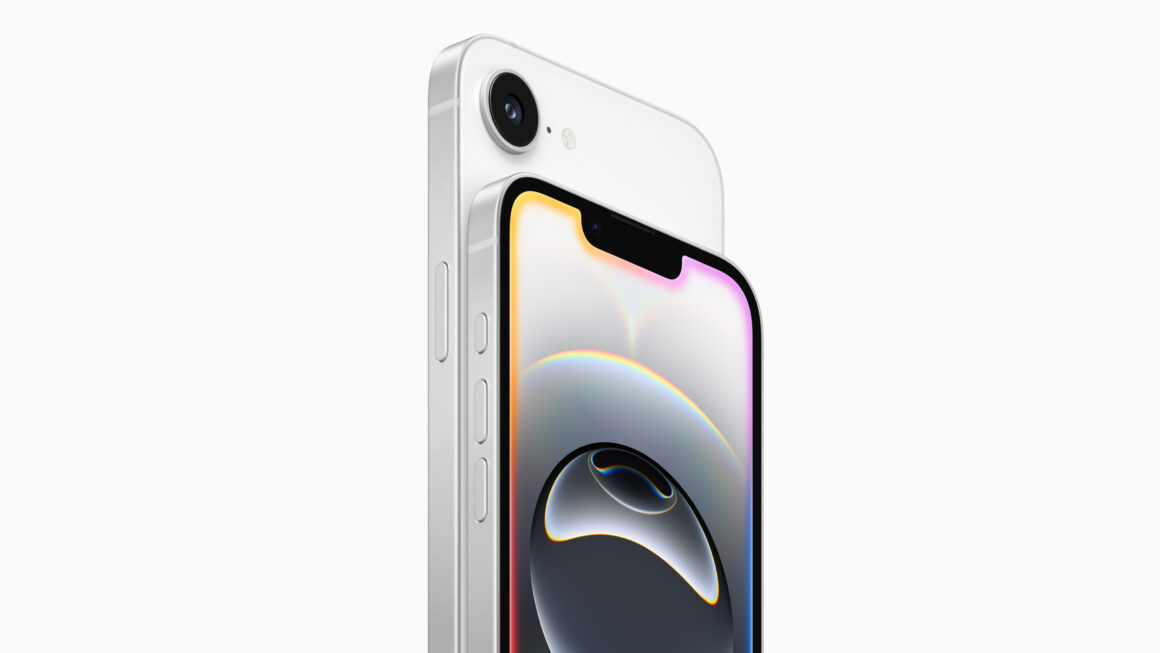
For those curious about the display technology, the iPhone 17e is reportedly expected to utilize a screen very similar to the current iPhone 16e. However, there is a key design upgrade: thinner bezels. The report notes that even with the circuit wiring covered by the bezel becoming narrower, the original panel design had enough margin to accommodate the change without a complete overhaul.
Crucially, the iPhone 17e will use Low-Temperature Polycrystalline Silicon (LTPS) TFT technology. This is a step down from the high-end LTPO panels found in the Pro models, which support ProMotion (120Hz). Since BOE has struggled to mass-produce LTPO panels stably for the flagship iPhone 17 series, the decision to stick with LTPS for the “e” model plays to BOE’s current manufacturing strengths.
By securing the lead role for the iPhone 17e, BOE can regain some ground in overall volume. Last year, BOE’s total iPhone OLED shipments hovered around 40 million units—roughly 10% of the total 230 million to 240 million iPhone panels produced globally. In comparison, Samsung Display shipped over 120 million units, cementing its place as the top supplier.
What do you think about the shift to thinner bezels on the budget iPhone? Let me know in the comments below! Stay updated with the latest news on this by downloading the Appleosophy App from the App Store or by visiting our website.