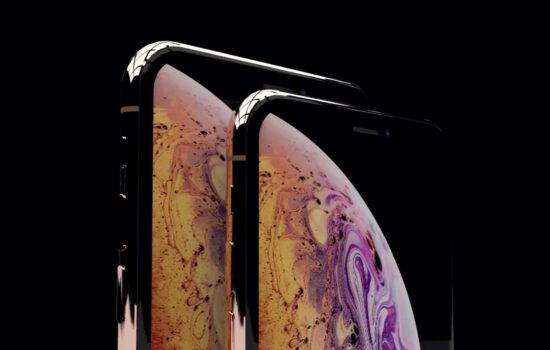
The iPhone has changed considerably since Apple introduced the original model in 2007. Faster processors, larger and sharper displays, improved wireless connectivity, biometric authentication, and increasingly sophisticated browsers have turned the device into a platform for almost every category of digital activity.
Mobile casinos have developed within that wider technological shift. Early mobile gambling experiences were restricted by small displays, slow connections, and relatively limited phone hardware. Today, casino platforms can deliver detailed games and responsive interfaces through devices capable of handling demanding applications and high-quality media. The result is an experience designed increasingly around the smartphone itself rather than adapted reluctantly from the desktop.
Better Displays Have Changed Mobile Game Design
Screen technology has had a major influence on how casino games can be presented. Earlier smartphones gave developers limited space and resolution, making complicated interfaces difficult to reproduce effectively. Modern iPhones provide substantially sharper displays capable of presenting detailed graphics, animations, text, and controls clearly.
That does not mean developers can simply reproduce a desktop layout on a smaller screen. Mobile games still require careful organization. Important buttons need to remain easy to tap, text must be readable, and secondary information cannot overwhelm the primary game area.
Portrait orientation has become especially important because many people naturally use their phones vertically. Games and casino interfaces therefore increasingly need layouts that can adapt without requiring constant rotation.
The improvement in display quality also raises expectations. Users accustomed to high-resolution streaming, photography, and conventional mobile games expect other digital entertainment to look equally polished. Casino developers are consequently designing for a mobile audience that notices poor scaling, unclear controls, and dated graphics immediately.
The iPhone Has Made Casino Access More Mobile
The most fundamental change is that a casino experience no longer needs to begin at a computer. Smartphones combine the screen, internet connection, authentication tools, and computing hardware required to access sophisticated digital services from one device.
A mobile casino can therefore operate within the same device ecosystem people already use for streaming, gaming, shopping, communication, and banking. This has encouraged casino platforms to treat mobile access as a primary experience rather than a simplified alternative to their desktop websites.
Responsive web technology has contributed to that transition. Modern browsers can handle much richer interactive experiences than their early mobile counterparts, allowing many games to operate directly through a website without requiring separate software for every activity.
Convenience also changes expectations around navigation. Someone using an iPhone may be switching between several applications and browser tabs, making slow or complicated interfaces particularly noticeable. Mobile casino design consequently emphasizes clear menus, straightforward account access, and game libraries that can be explored efficiently on a relatively narrow screen.
Apple’s Hardware Has Raised Performance Expectations
The technology inside modern iPhones has progressed far beyond what was available when mobile gambling first emerged. Apple continues to develop its iPhone hardware around increasingly capable chips, advanced displays, wireless connectivity, and integrated security features, all of which contribute to the broader environment in which mobile entertainment operates.
More processing and graphics capability gives game developers additional freedom. Animations can be smoother, transitions more sophisticated, and visual effects more detailed without necessarily producing the sluggish performance associated with earlier mobile games.
Connectivity matters just as much as processing power. Mobile entertainment has benefited from faster Wi-Fi and cellular networks, reducing the practical difference between accessing many online services from a phone and using home broadband on a computer.
Developers still need to optimize carefully. Casino platforms cannot assume that every user owns the newest iPhone or has an ideal connection. Games need to remain functional across multiple device generations and under changing network conditions.
Battery consumption also matters. An experience that makes a phone unusually hot or drains its battery quickly is poorly suited to mobile use regardless of how impressive its graphics may be.
Security Features Are Becoming Part of the Experience
Financial services place different demands on smartphones than ordinary entertainment applications. Casino accounts can contain personal details and transaction histories, making security an important part of the mobile experience.
The iPhone ecosystem includes technologies such as Face ID, Touch ID on supported models, device passcodes, encrypted connections, and password-management tools. Depending on how individual services implement authentication, these technologies can make secure account access less cumbersome than repeatedly typing complex passwords.
Payment technology has evolved as well. Consumers have become accustomed to completing purchases, banking tasks, subscriptions, and other financial activities through smartphones. That familiarity creates expectations for clear and efficient payment interfaces across other online services.
For casino operators, however, reducing friction has to be balanced against safeguards. Identity checks, payment security, age restrictions, and responsible gambling controls cannot simply disappear in pursuit of a faster interface.
This creates an important design challenge. Strong mobile experiences need security measures to feel integrated into the platform rather than appearing as confusing interruptions.
Mobile Technology Will Keep Reshaping Casino Design
Future changes to mobile casinos are likely to follow many of the same developments affecting the rest of smartphone entertainment. More powerful hardware can support richer graphics, while improved connectivity can make streamed and real-time experiences more practical.
Accessibility is another important area. Features involving text size, contrast, audio, and interface controls can make digital platforms easier to use for a wider range of people. As mobile design becomes more sophisticated, accessibility increasingly needs to be considered from the beginning rather than added later.
Casino platforms are also likely to become more responsive to different screen sizes and device behaviours. Users may move between an iPhone, tablet, and computer while expecting their account and general interface to remain familiar.
The broader influence of the iPhone is therefore not one particular casino feature. It is the standard of mobile experience that smartphones have helped establish. People now expect digital services to respond quickly, display clearly, authenticate securely, and work without requiring extensive technical effort.
Mobile casinos have had to evolve within that environment. Their interfaces are cleaner, games are designed more carefully for touch controls, and performance is judged against the other sophisticated entertainment available on the same device.
The transformation is ultimately part of a much larger change in digital behaviour. The smartphone is no longer merely a smaller way to access services originally built for computers. For many users, it is the primary screen. As iPhone technology continues developing, mobile casino design will continue adapting to expectations established by the device people already use for almost every other part of their digital lives.