


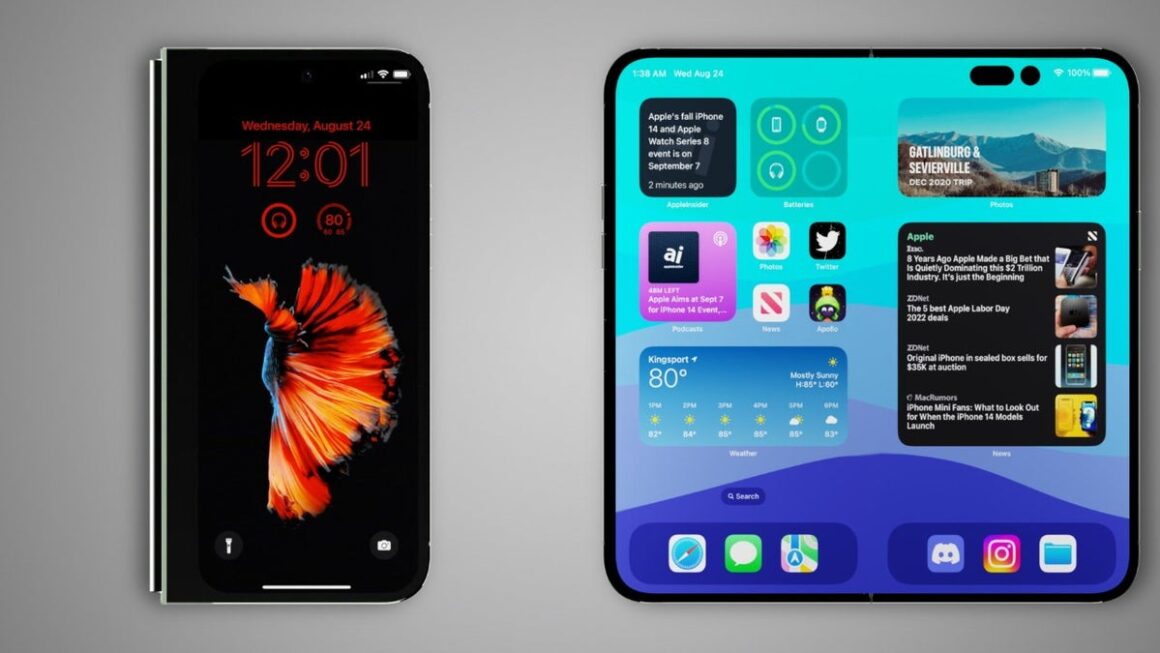
The upcoming reveal of Apple’s first foldable smartphone represents a massive structural shift for mobile hardware design. Other technology manufacturers introduced folding mobile phones several years ago. However, Apple deliberately delayed its entry into this specific market segment. Company leadership chose to wait until key underlying technologies reached full maturity. Executives prioritized overall structural durability, thermal output, and display quality over launching an early product. This patient development strategy aims to solve the primary flaws that plague competing foldable devices.
Achieving a flat display panel remains the most difficult engineering challenge for any folding screen. Most early folding devices feature visible creases across their flexible internal display panels. These visible seams disrupt touch input and distract users during daily operation. Apple addressed this design flaw through advanced chemical layering and modified flexible substrates. The resulting inner display looks smooth and completely seamless when unfolded. Specialized lighting or sharp viewing angles might reveal a minor reflection. Yet normal everyday use presents a flat, uninterrupted viewing surface.
Creating an ultra-thin frame presents an equally difficult engineering challenge for hardware designers. Extremely thin smartphone frames often struggle with heat dissipation and shortened overall battery life. Engineers countered these physical limitations by adapting specialized cooling solutions into the internal chassis. The device uses an ultra-thin vapor chamber to move heat away from core processors. Liquid inside the chamber evaporates to absorb excess heat under high processing loads. It then condenses back into liquid along cooler structural edges. This continuous process keeps the device running smoothly without adding physical thickness.
Silicon optimization complements this advanced internal thermal cooling network inside the device. Next-generation processor chips deliver peak computing speeds while using minimal electrical power. Custom cellular modems also adjust power output based on real-time signal strength. These combined efficiency gains drastically reduce total energy consumption across all daily tasks. Consequently, the device delivers solid battery life despite its slim physical profile. Users gain top-tier processing capabilities without carrying a heavy or bulky phone.
Hinge longevity determines whether a flexible smartphone can survive years of repeated opening and closing. Structural leaks suggest Apple uses specialized liquid metal alloys within the central hinge assembly. The company licensed this proprietary metal material more than fifteen years ago. Liquid metal offers higher tensile strength and greater elasticity than standard aluminum alloys. It resists permanent physical deformation under repeated stress better than conventional metals. This unique material property creates a hinge that feels smooth while offering exceptional mechanical strength.
Internal components must endure tens of thousands of folding cycles over years of regular use. Standard metal components often weaken, warp, or wear down over extended operational periods. Liquid metal maintains its precise structural shape even after undergoing continuous operational flex. Using this advanced alloy protects delicate internal cables that cross the central hinge axis. It also prevents unwanted dust particles from entering internal device mechanisms over time.
Structural engineers tested dozens of structural configurations before finalizing this specific mechanical layout. The internal hinge geometry evenly distributes mechanical force across the entire width of the flexible display panel. This even force distribution prevents localized strain points from developing along the central fold line. Furthermore, micro-gaskets seal the internal hinge cavity against moisture infiltration. These combined structural innovations extend the operational life of the primary display assembly significantly.
Visual styling choices remain a central topic of discussion among industry analysts and mobile enthusiasts. Initial supply chain reports suggested limiting the foldable smartphone to minimalist white and black finishes. A recent high-profile rumor claimed a bright red color option would also join the launch lineup. However, competing industry analysts quickly disputed that specific claim. They suggested a red option remains unlikely for the first-generation foldable hardware. Official color choices will remain uncertain until the official public press announcement.
The broader flagship smartphone lineup will offer a much wider variety of distinct color options. Anticipated finishes for non-folding flagship models include deep cherry, light blue, classic silver, and space gray. Offering unique colors across different models helps establish clear visual identities for each distinct product line. Distinct exterior finishes also allow consumers to easily differentiate between standard models and foldable hardware.
Visual distinction helps position the foldable model as a ultra-premium alternative within the portfolio. Consumers paying high flagship prices expect unique design cues that set their devices apart immediately. Distinct surface textures and subtle color variations reinforce this premium product positioning effectively. Modern consumers treat smartphones as key personal accessories alongside their daily functional utility. Therefore, color choices directly influence purchasing decisions across diverse consumer demographics.
Apple will reveal final hardware details, global pricing, and official availability at its September launch event. The presentation will mark the public debut of years of quiet material research and hardware refinement. The inclusion of liquid metal hinges, vapor chamber cooling, and seamless screens sets a high standard. This upcoming foldable device demonstrates how delayed market entry can yield far superior hardware products. Consumers seeking cutting-edge foldable hardware will soon see whether these extensive engineering investments paid off.


