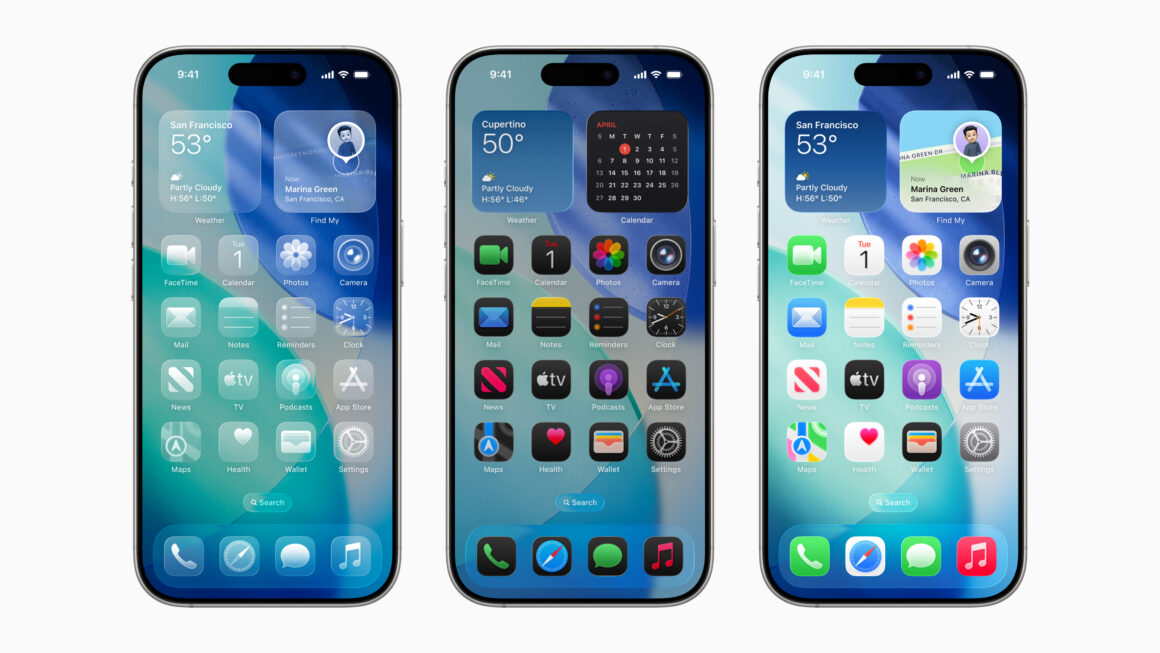
Apple’s iOS 26 introduces a powerful lineup of security enhancements that mark a major step in protecting users from credential theft, phishing, and account compromise. Central to these upgrades are advanced passkey implementations, a complete rethink of how Safari detects malicious websites, and deeper integration of credential isolation within the Secure Enclave.
These improvements aren’t just technical changes behind the scenes… they directly reduce the risk of account takeovers and boost confidence in everyday online interactions. For Canadians especially, who rely on iPhones for banking, identity, and entertainment, iOS 26 delivers a new level of mobile safety.
As these protections continue to roll out across apps and websites that rely on strong authentication, many Canadians are finding it easier to trust platforms requiring verified logins, and online casinos in Canada are among the services benefiting from iOS 26’s upgrades, since players depend on secure access, identity checks, and protected transactions when using these apps on their iPhones.
Ending the Reign of Passwords
For years, Apple has been moving away from traditional password systems, and iOS 26 represents one of the most aggressive pivots yet. With expanded support for passkeys, users are nudged toward adopting cryptographically secure credentials stored directly in the Secure Enclave.
Unlike passwords that can be phished or leaked in data breaches, passkeys are device-bound, meaning they never leave the hardware and can’t be intercepted or reused by attackers. This shift effectively eliminates entire classes of security risks tied to password reuse and human error. Apple’s architecture ensures each login is authenticated with biometric data, such as Face ID or Touch ID, adding another layer of frictionless protection.
Secure Enclave as the Credential Fortress
The Secure Enclave remains one of Apple’s strongest assets in protecting user data, and iOS 26 leans even harder on it. Credential storage is now more tightly bound to the device’s dedicated secure hardware module, cutting off potential pathways for attackers even if system-level vulnerabilities are found elsewhere.
This hardware-level isolation keeps passkeys and other sensitive identity credentials segregated from the main operating system processes, preventing malware from accessing or tampering with login information. In practical terms, even a compromised app or jailbroken device won’t be able to extract or misuse stored passkeys, ensuring a far more robust identity security posture.
Safari’s Smarter Phishing Detection
A standout enhancement in iOS 26 lies within Safari, where malicious site detection has received a significant overhaul. Instead of routing suspicious-site checks through remote servers, where privacy tradeoffs often come into play, Apple has integrated advanced machine learning models directly on the device.
These models are trained to analyze page content, domain behavior, and redirect patterns in real time, allowing the browser to spot phishing scams and malicious redirects faster than ever before. When a page mimics a login portal or bank site, iOS 26’s Safari now issues earlier and clearer warnings, reducing the chance of users being tricked by fraudulent web content.
Local Privacy Without Sacrificing Protection
One of the consistent challenges in fraud detection has been balancing user privacy with threat identification. Apple sidesteps this with its iOS 26 approach to Safari’s phishing detection. Because machine learning evaluation happens directly on-device, no browsing data is shared externally.
There’s no need for Apple, or any third-party service, to log URLs or track user visits to detect dangerous behavior. This strategy preserves the company’s privacy-first promise while still providing real-time defense against online threats. By not relying on external validation or cloud-based analysis, iPhone users can feel secure knowing that their activity stays private without compromising on protection.
Real-World Benefits for Canadian Users
For Canadian iPhone owners, the security upgrades in iOS 26 aren’t abstract features—they address real needs in daily life. With banking apps, identity verification platforms, and mobile payments tightly woven into how Canadians use their devices, robust login security is not optional.
Passkeys eliminate the need to remember passwords, reducing lockouts and recovery headaches, while Safari’s phishing protection helps prevent interactions with fake banking websites and payment portals. Whether verifying identity through government-issued app services or accessing sensitive personal information, the new protections drastically cut the risk of impersonation or stolen credentials.
Protection for Entertainment and Gambling Apps
Entertainment services like streaming platforms and especially online casinos in Canada rely heavily on secure access, verified identities, and encrypted transactions. iOS 26 provides a crucial boost to these services by locking down credential management and ensuring websites can’t spoof login interfaces or redirect users to fake portals.
Players using online casinos on their iPhones can trust that their credentials are not being leaked or sniffed by background scripts, and that sensitive information like financial data or personal ID checks remain protected throughout every login session. This fosters greater user confidence across platforms requiring high authentication integrity.
Phishing Sites Disguised as Financial Institutions
One of the top targets for phishing websites is financial institutions. Cybercriminals commonly clone the visual layout and branding of popular Canadian banks or payment services to deceive users into entering login information.
With iOS 26, Safari’s intelligent site analysis engine evaluates indicators like DNS behavior, content structure, and hidden forms to determine if a website is attempting to impersonate a real entity. If a fake site is detected, the user receives a full-screen warning immediately, preventing accidental data entry. This faster response time could be the difference between a secure account and a drained balance.
Machine Learning at the Core of On-Device Defense
Traditional phishing detection methods often rely on blacklists or third-party validation to flag dangerous sites… processes that are inherently slower and easier to bypass. Apple’s use of on-device machine learning means that new phishing tactics can be caught based on behavioral signals rather than static URL lists.
iOS 26’s local models constantly update their threat analysis through feature extraction and risk pattern recognition, allowing users to receive alerts within seconds of opening a suspicious page. The move toward proactive protection rather than reactive blocking is a key milestone in mobile cybersecurity.
Impact on App Developers and Authentication Services
App developers stand to benefit from iOS 26’s new authentication capabilities as well. With expanded passkey support integrated deeply into the OS, developers can offer frictionless and highly secure login options without the hassle of managing passwords or recovery workflows.
Apple provides APIs that make adopting passkeys straightforward, and iOS handles the heavy lifting of storage, encryption, and biometric validation. This not only boosts user experience but dramatically cuts down on customer support issues related to forgotten passwords or hacked accounts. Developers building apps in high-security verticals, including healthcare and finance, will especially benefit from these improvements.
Reducing the Damage of Third-Party Data Breaches
Data breaches involving third-party platforms have historically resulted in waves of account takeovers, as leaked credentials get reused across services. With iOS 26’s focus on passkeys, that vector is all but eliminated.
Even if a user’s email or other non-credential data is compromised, there’s no reusable password to exploit. Passkeys cannot be exported, reused on other devices, or shared without biometric authentication. This system effectively neutralizes stolen password databases, ensuring that accounts tied to iOS 26 passkeys remain secure even when external platforms fail to protect user data.
Trust by Design for the Next Generation of iPhone Users
As Apple builds forward, iOS 26 sets the foundation for a passwordless, high-trust mobile ecosystem. With security measures that live at the hardware level, real-time threat detection powered by AI, and privacy safeguards that never require data to leave the device, the iPhone becomes not just a communication tool but a secure identity hub.
These advances are expected to influence how digital identity is managed globally, especially in countries like Canada where mobile-first verification is rapidly becoming standard. Apple’s move is not just an update, it’s a recalibration of what users should expect from mobile security.