Today commemorates the 50th anniversary of Apple’s founding. Let’s take a trip down memory lane to explore the history of Apple and how it evolved from a computer company to one of the largest mobile device companies in the world.
1976-1983: Pre-Macintosh era
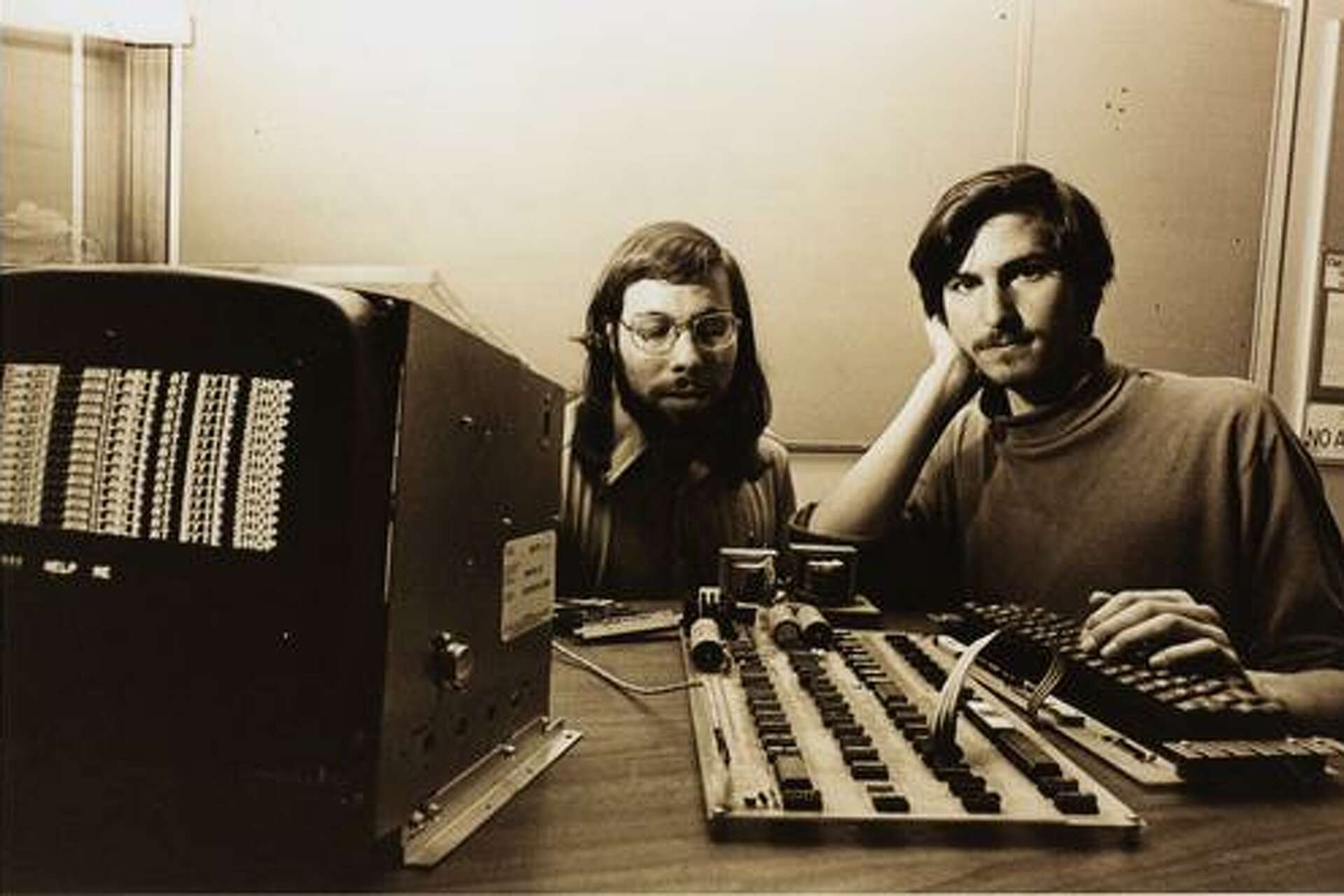
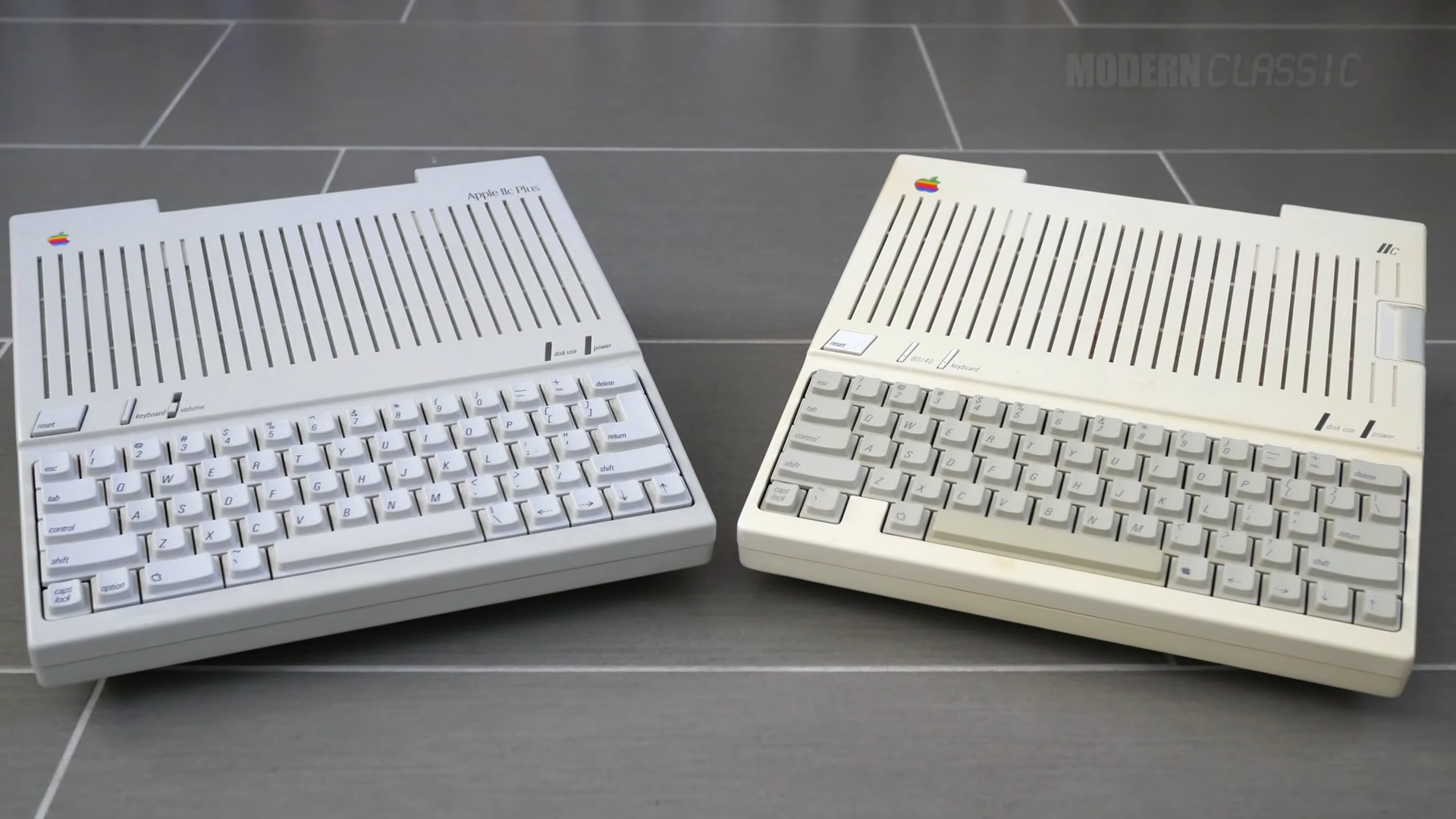
On April 1, 1976, Steve Jobs and Steve Wozniak founded Apple. The first product that Apple launched was the Apple I. Apple would later see success, especially in the educational market, with the Apple II series. Apple aimed at making the computer easier to use by pioneering the graphical user interface (GUI), but when the company launched the Lisa computer, it became a huge flop as it was exorbitantly expensive.
1984-1997: The “Dark Ages”
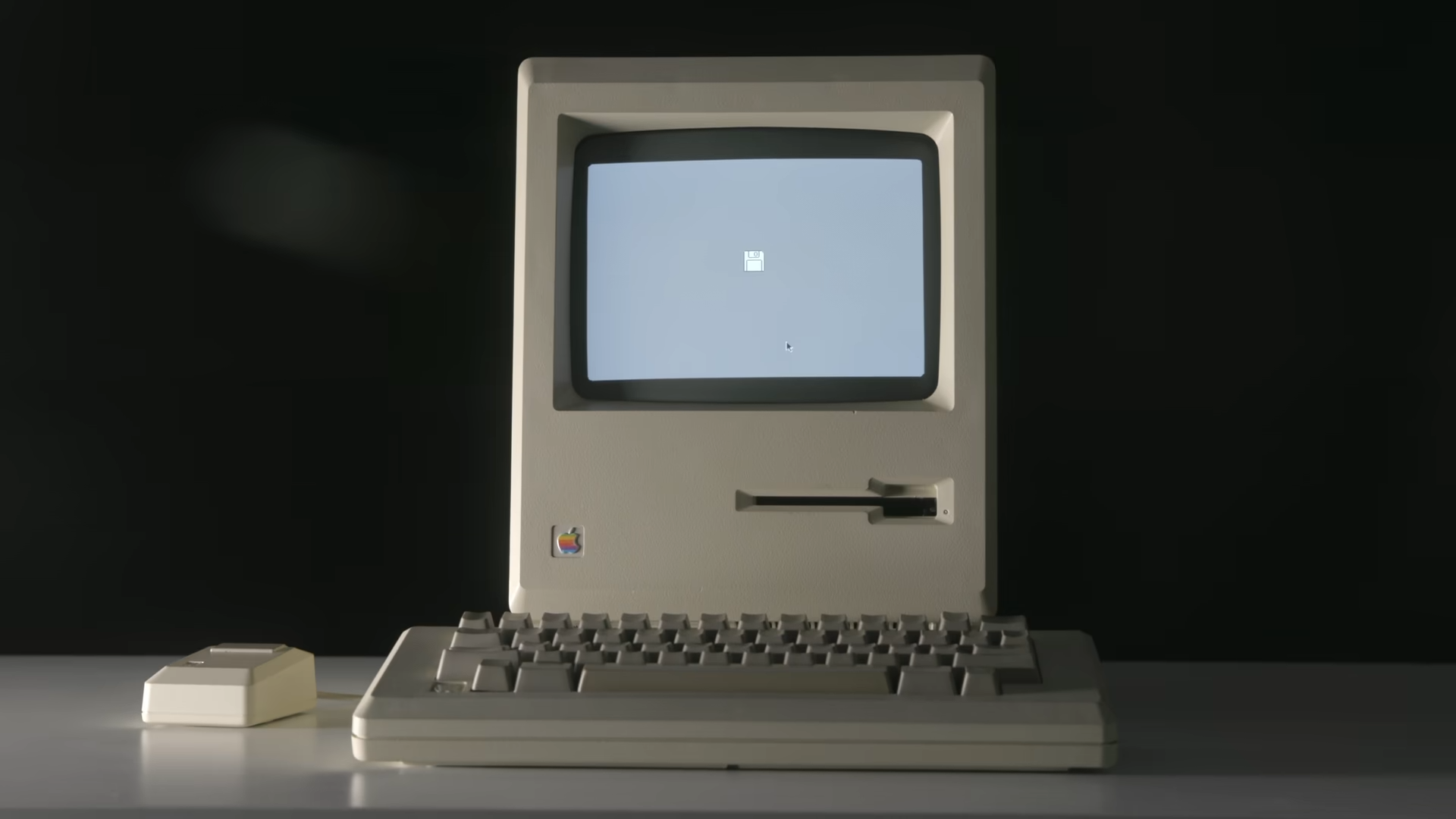
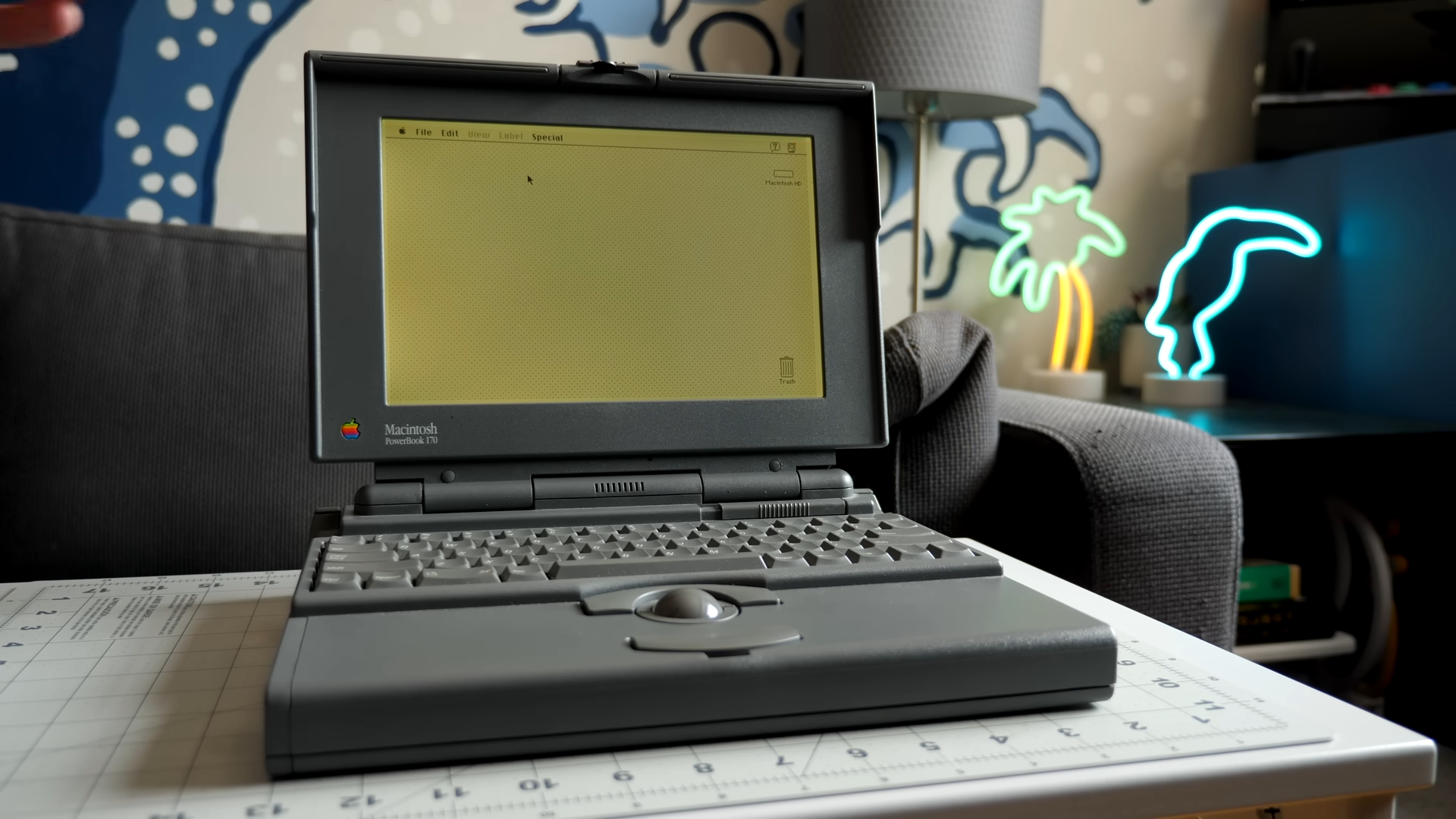
In 1984, Apple introduced the original Macintosh, which was a much more compact form factor, yet it featured the GUI. Soon after, after several years of conflict within the executive team, Steve Jobs left the company to form his own company, NeXT. Since Jobs’ departure, the company would introduce several new models in the Macintosh lineup, such as the Macintosh LC, the Macintosh Quadra, and the PowerBook series, which would redefine the modern laptop computer.
However, Apple was struggling during the 1990s, especially with how convoluted the product line was back then. With so many computers in the lineup, customers just didn’t know which model was good for them. Even the transition from 68K processors to PowerPC processors didn’t help with improved sales.
1998-2006: The Company’s Revival
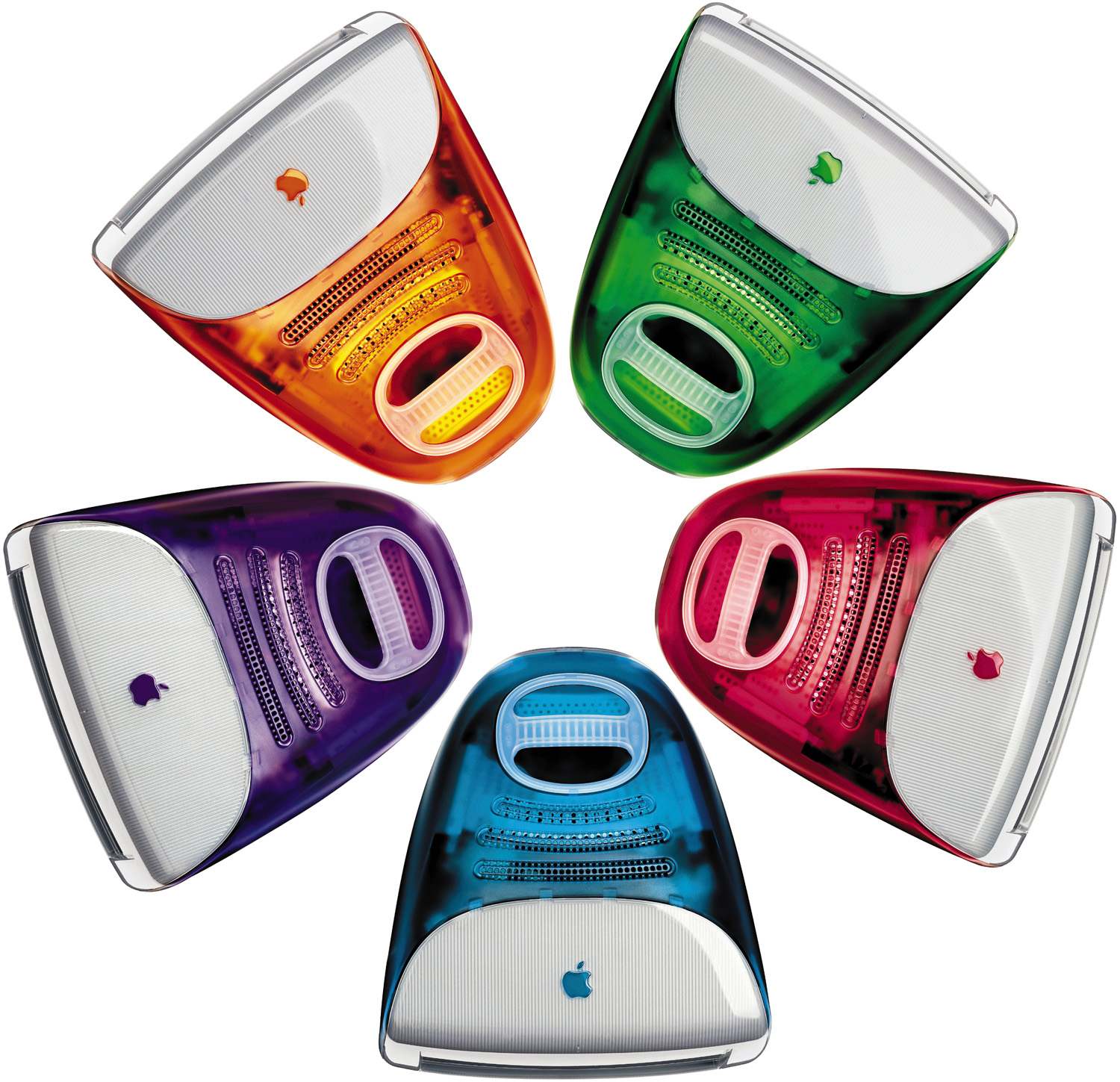
In 1997, Steve Jobs returned to Apple and revamped the entire product line. With the launch of the iMac and the iBook, along with the upgraded Power Mac G3 and PowerBook G3, Apple simplified the product line with both desktops and laptops that catered to both consumers and professionals. Apple was back on track.
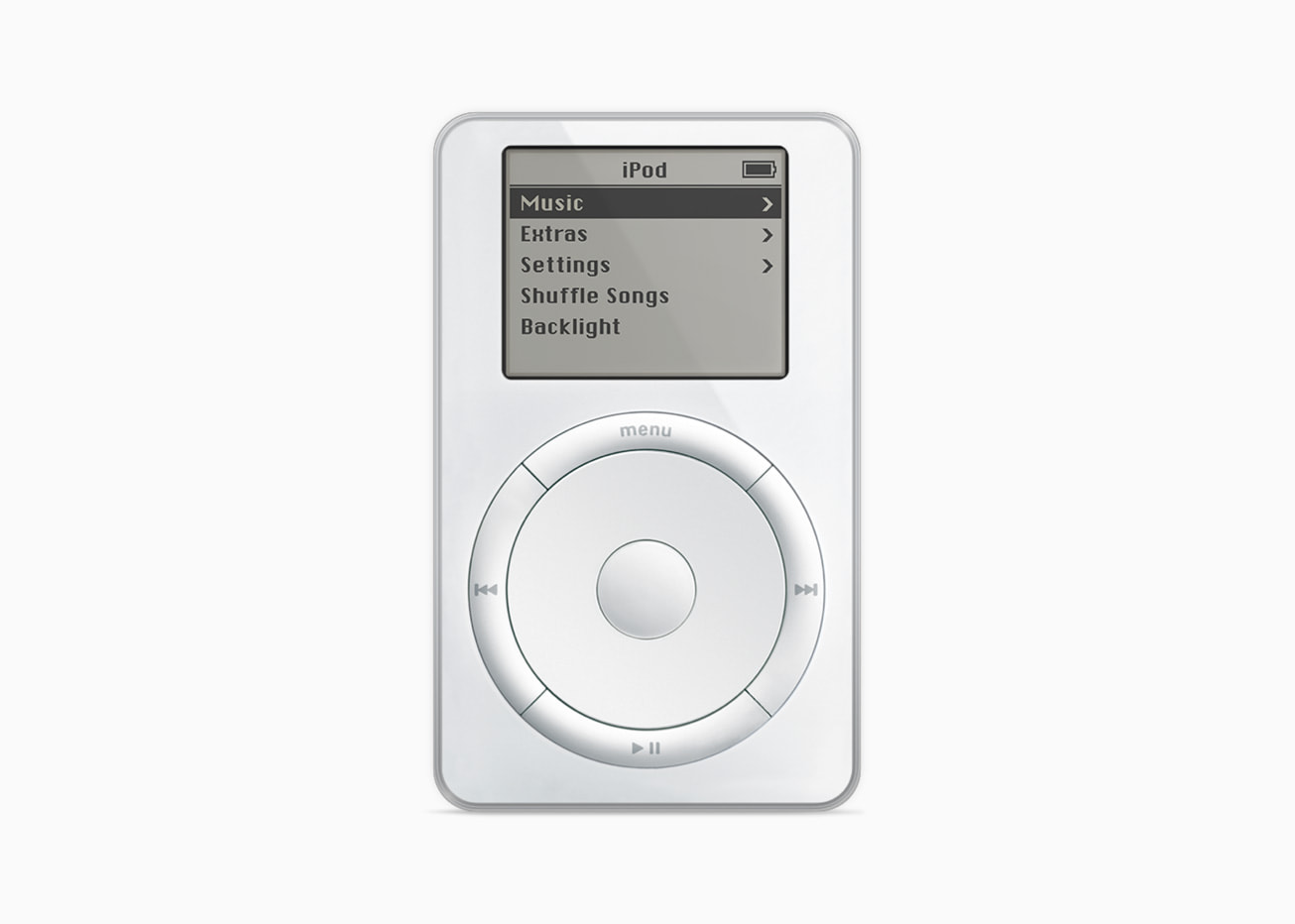
In 2001, Apple continued to gain recognition with the launch of the iPod, which initially held 1,000 songs in your pocket. In the following years, Apple would become more popular with the addition of the iPod shuffle and the iPod nano.
In 2006, Apple transitioned its entire lineup from the PowerPC to Intel processors.
2007-2020: Post-PC era
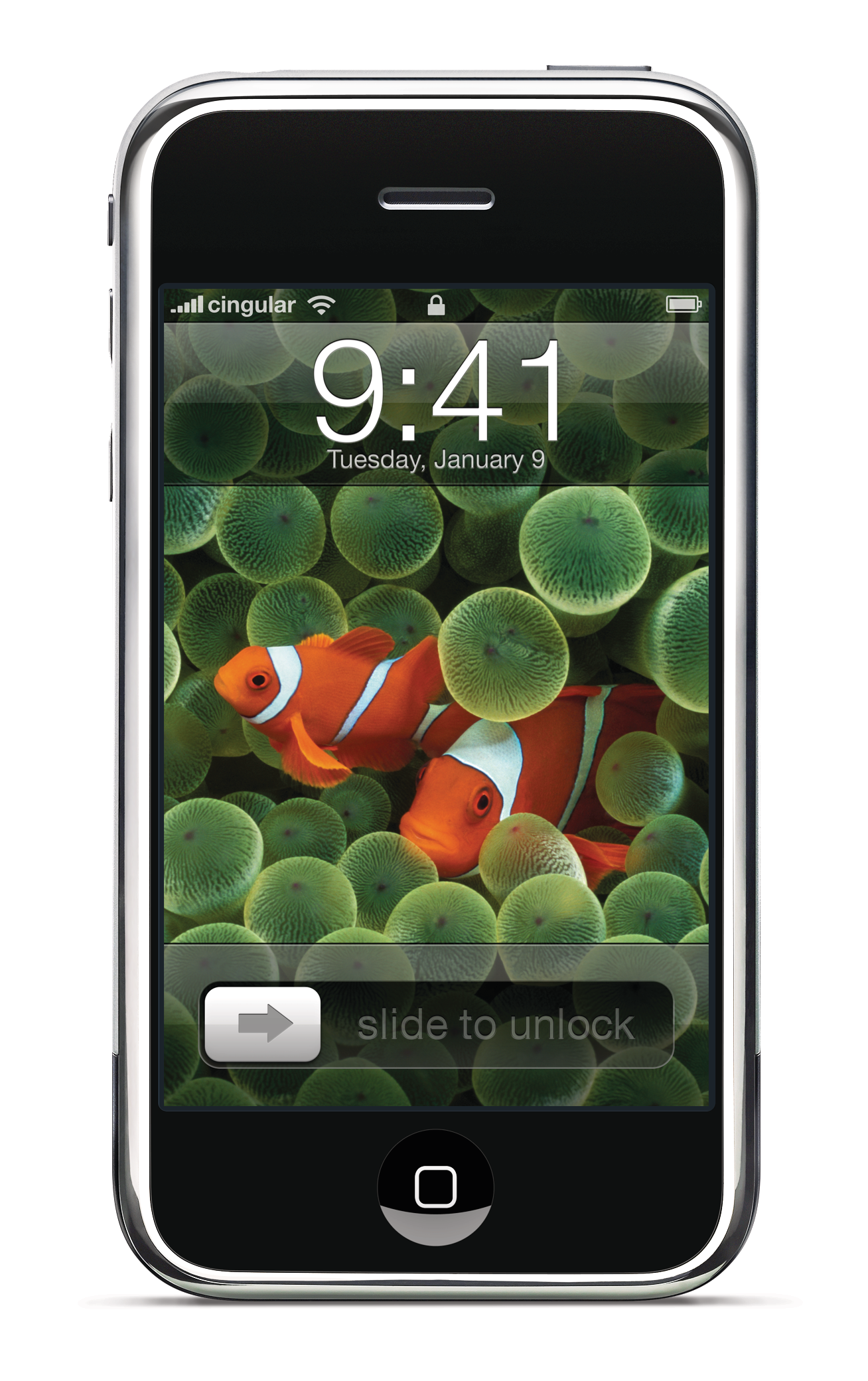
In 2007, Steve Jobs introduced three devices: an iPhone, a phone, and an Internet communicator, but they were not separate devices, but rather just one device. Enter the iPhone, which would revolutionize the smartphone industry.
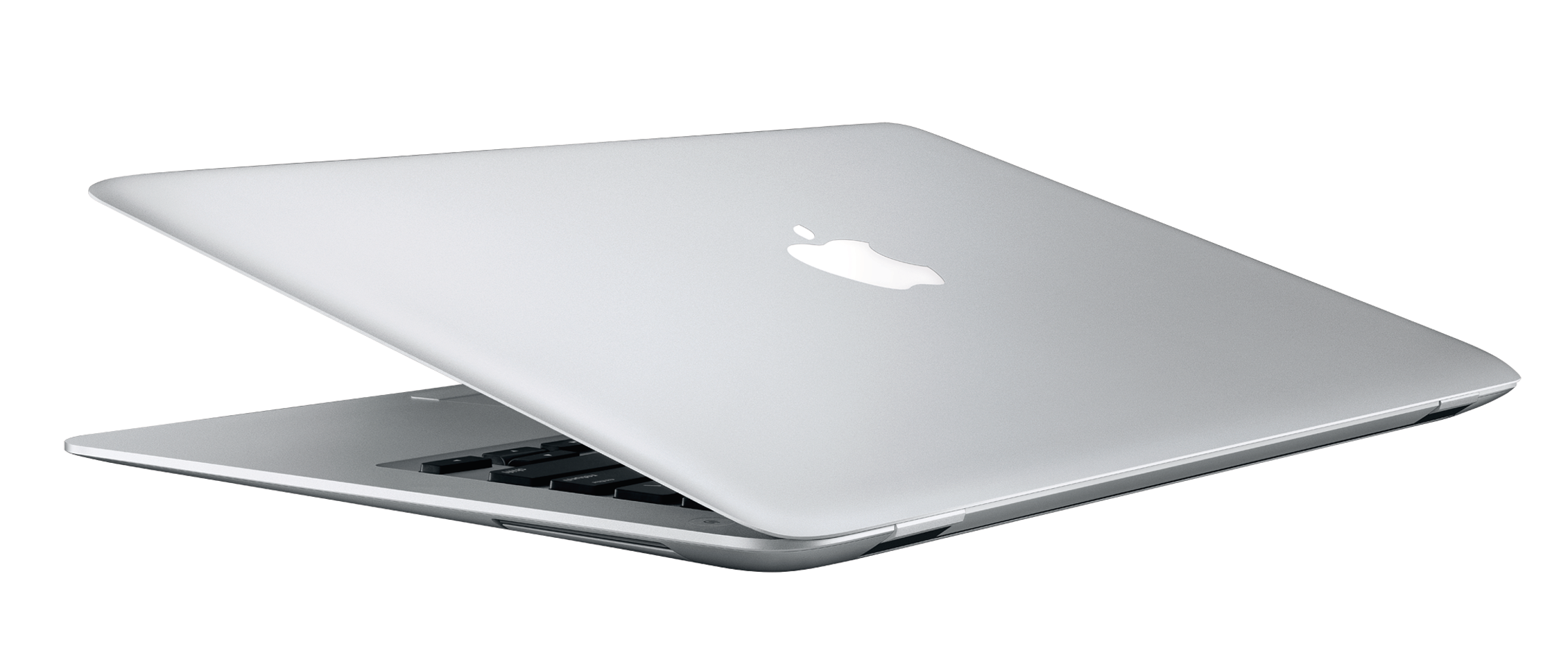
In 2008, Apple introduced the MacBook Air, which also set the standards for a modern thin-and-light and everyday computer.
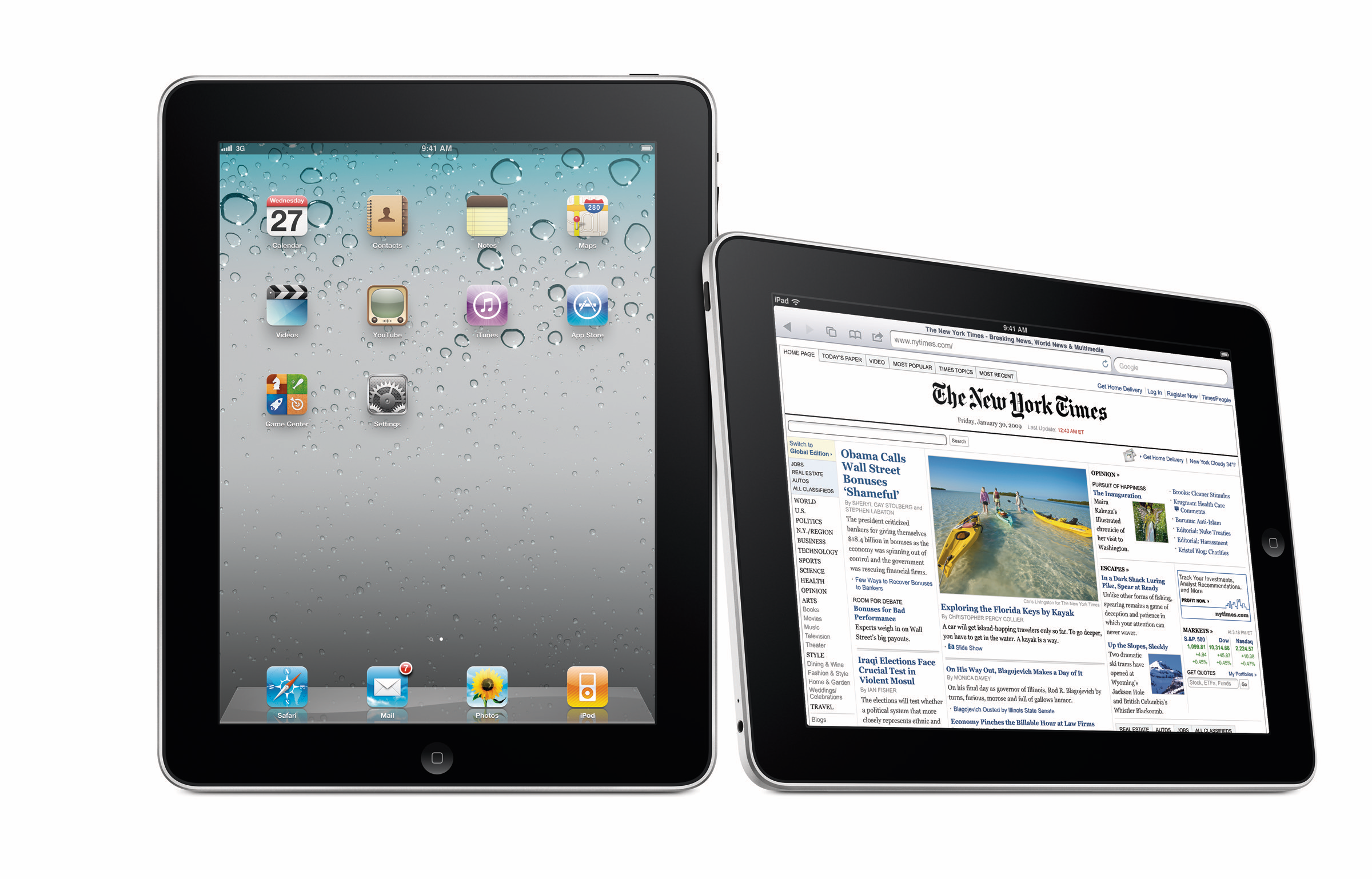
In 2010, Apple introduced the iPad, which revolutionized the tablet industry. In 2011, Steve Jobs stepped down as CEO, and he later passed away that year.
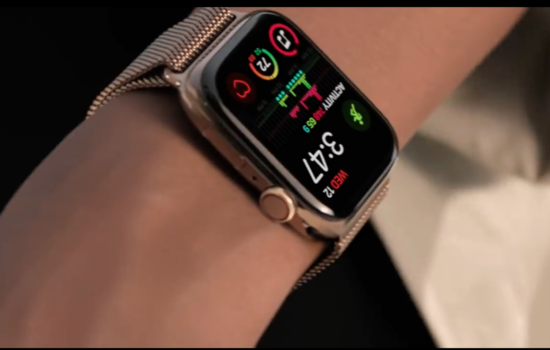
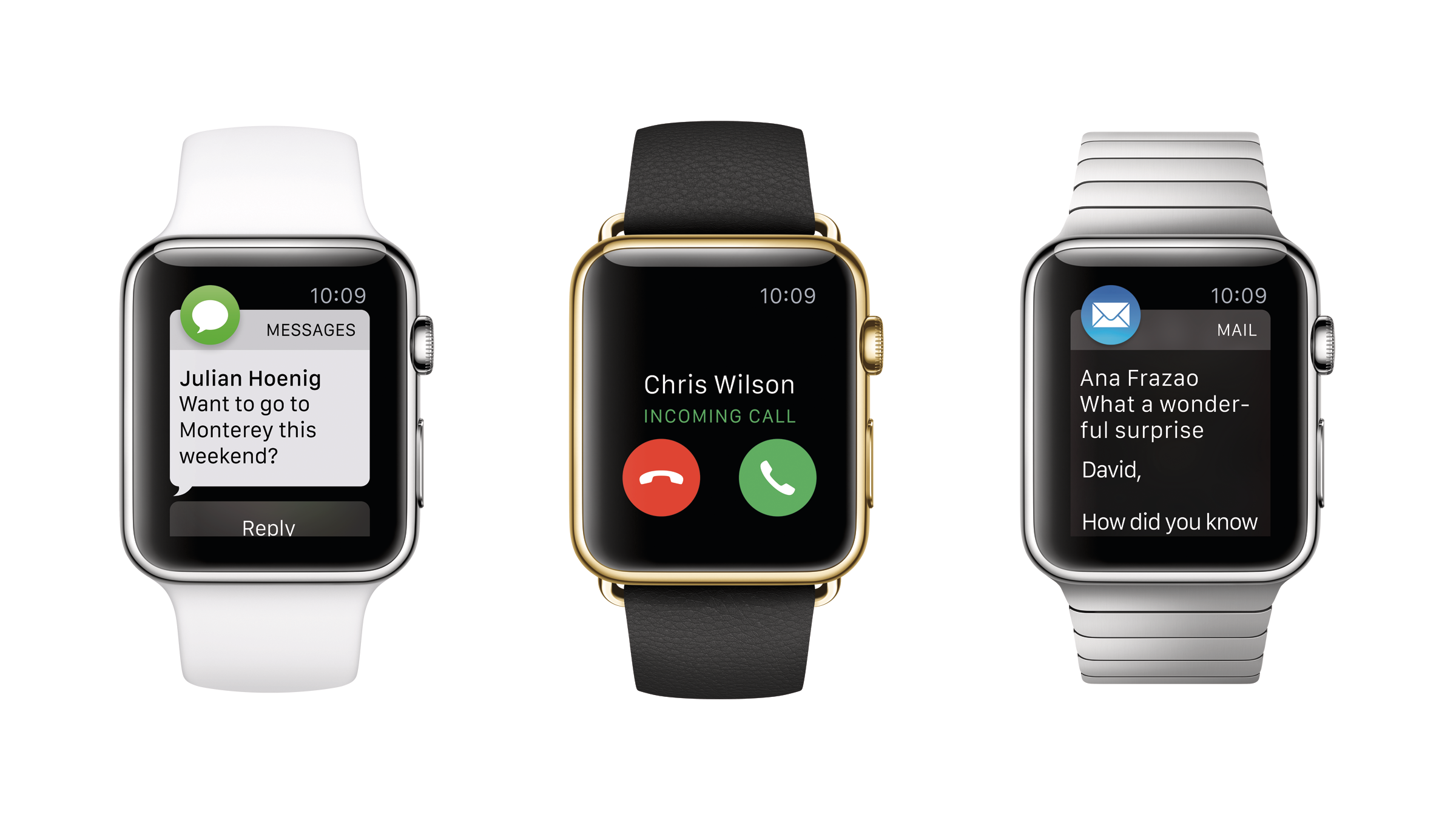
In 2014, Apple introduced the Apple Watch, which revolutionized the smartwatch industry. This was the first new product from Apple under now-CEO Tim Cook’s leadership. In the following years, Apple would introduce several new services, including Apple Music, Apple News+, and Apple TV.
In 2020, after engineering its own silicon for both the iPhone and the iPad since 2010, Apple announced it would transition its Mac lineup to its own Apple Silicon, and later that year, Apple introduced its very first Apple Silicon Macs, one of which was the M1 MacBook Air, which raised the bar in both performance and efficiency as the battery life on those MacBooks significantly improved, yet delivers even more power than before.
2021-2026: Apple Silicon era
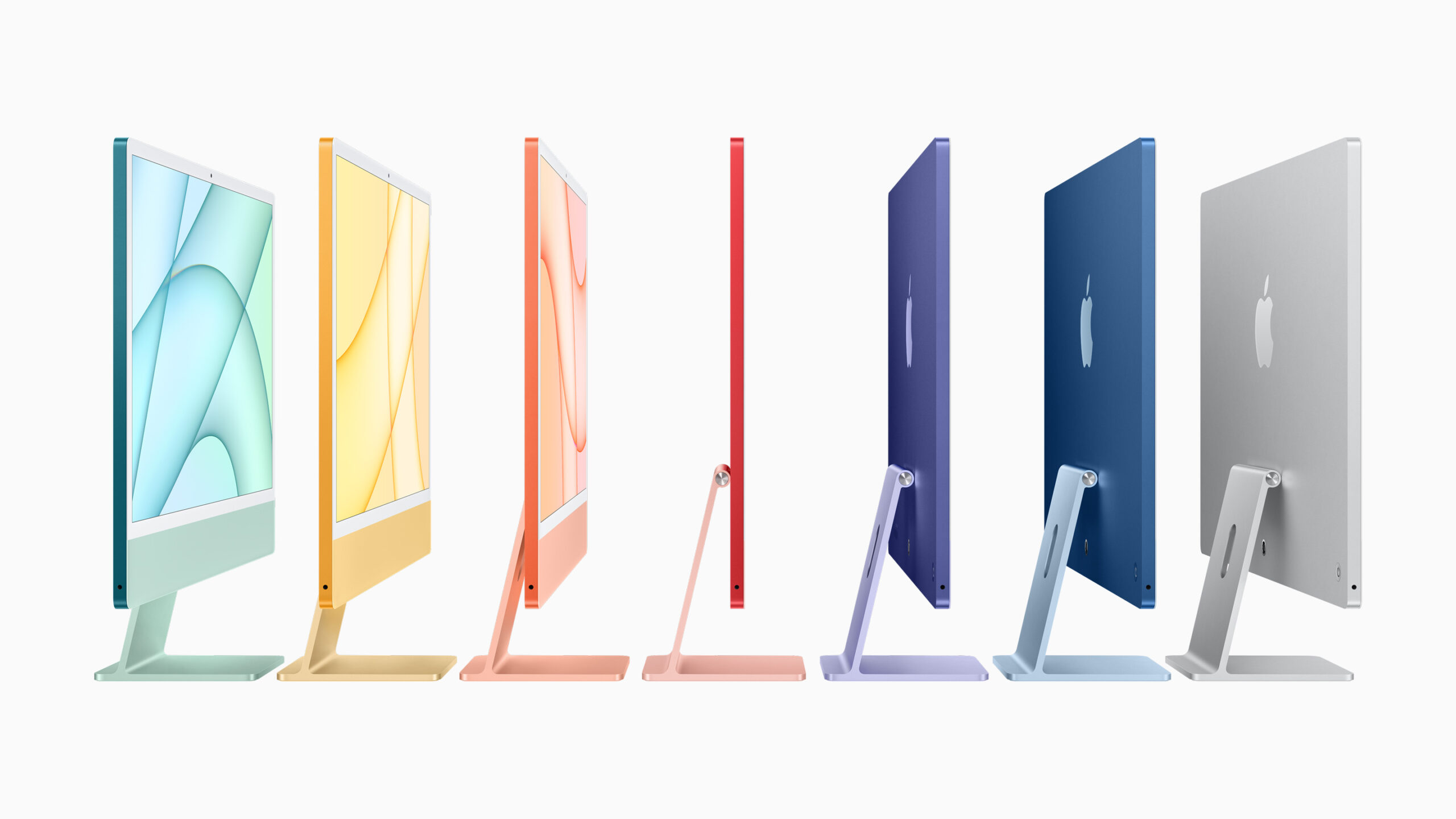
In 2021, Apple introduced the reimagined iMac in a stunning thin design that also came in seven colors that pay homage to the original iMac and the “retro” rainbow Apple logo. Later that year, Apple also launched MacBook Pros with mini-LED displays. In 2022, Apple launched the new Mac Studio, which featured workstation-class performance in a compact form factor. Apple also discontinued the iPod lineup after seeing growing profits from the iPhone and iPad.
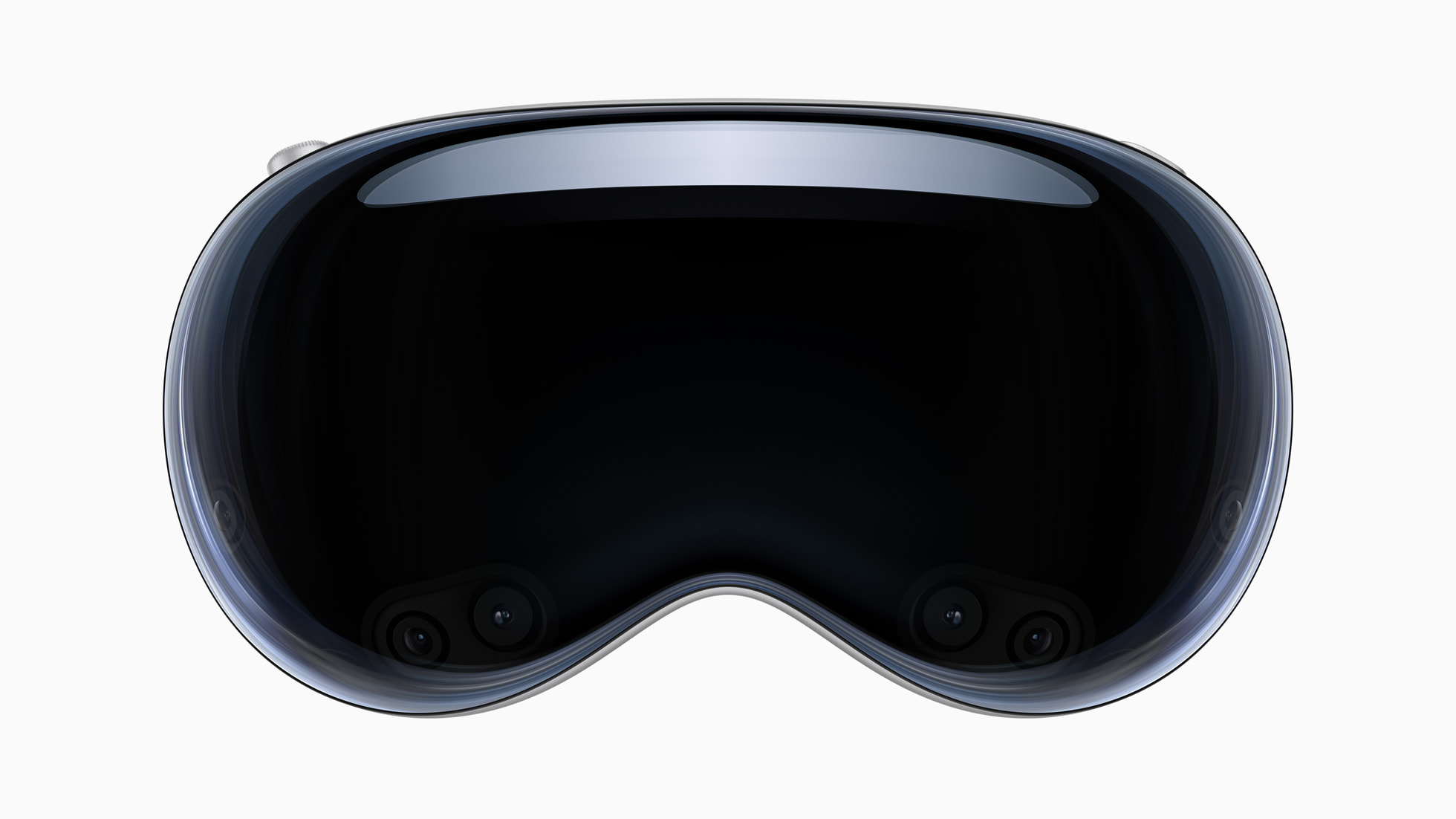
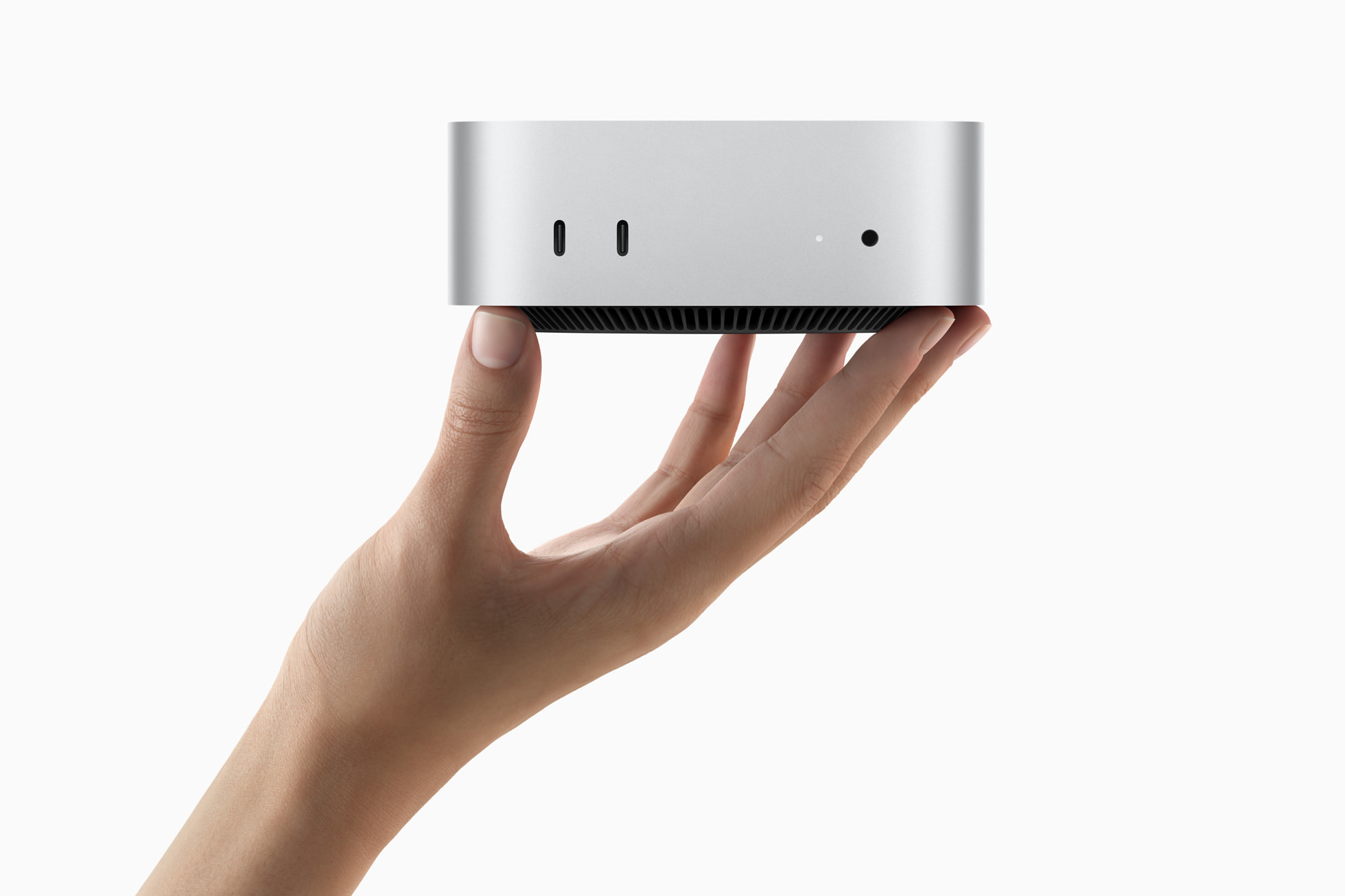
In 2024, Apple launched the Vision Pro, which is Apple’s spatial computer. Later that year, Apple made the Mac mini even smaller.
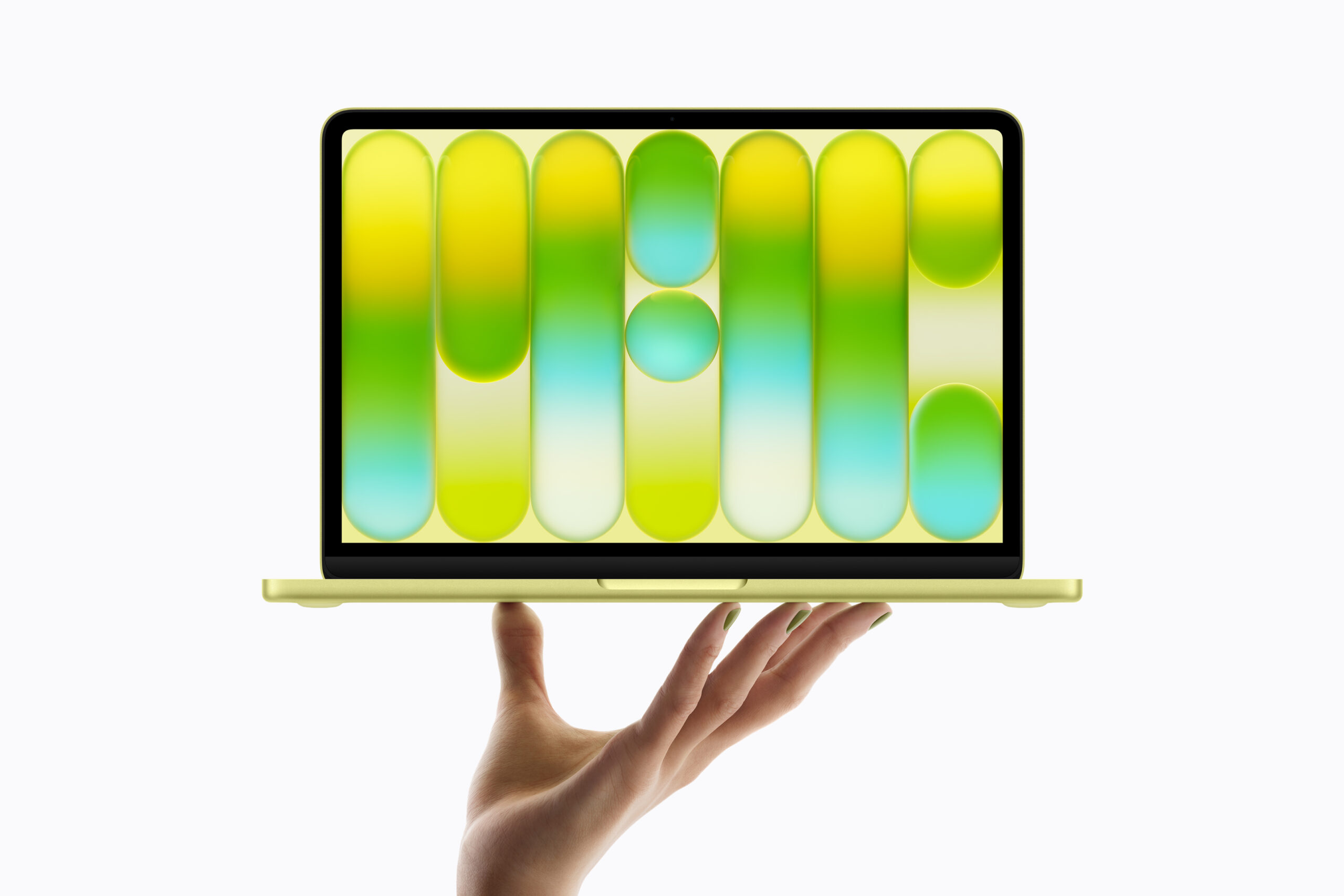
In 2026, Apple added a new addition to the Mac lineup: the MacBook Neo, which offers phenomenal performance and the full Mac experience at a surprisingly low price starting at $599. Just recently, Apple discontinued the Mac Pro, now that the Mac Studio is getting more frequent updates with more powerful Max/Ultra chips. Apple Silicon has transformed the Mac more than ever before.
Conclusion
The first 50 years have been filled with triumphs and failures, but in the end, Apple continues to lead the way with the strongest product line it’s ever had. I’m sure Apple will continue to make this year its biggest one yet, as Apple plans to launch many exciting, new products that we’ve anticipated. I’m sure the next 50 years will be just as monumental with many more innovations to come.