
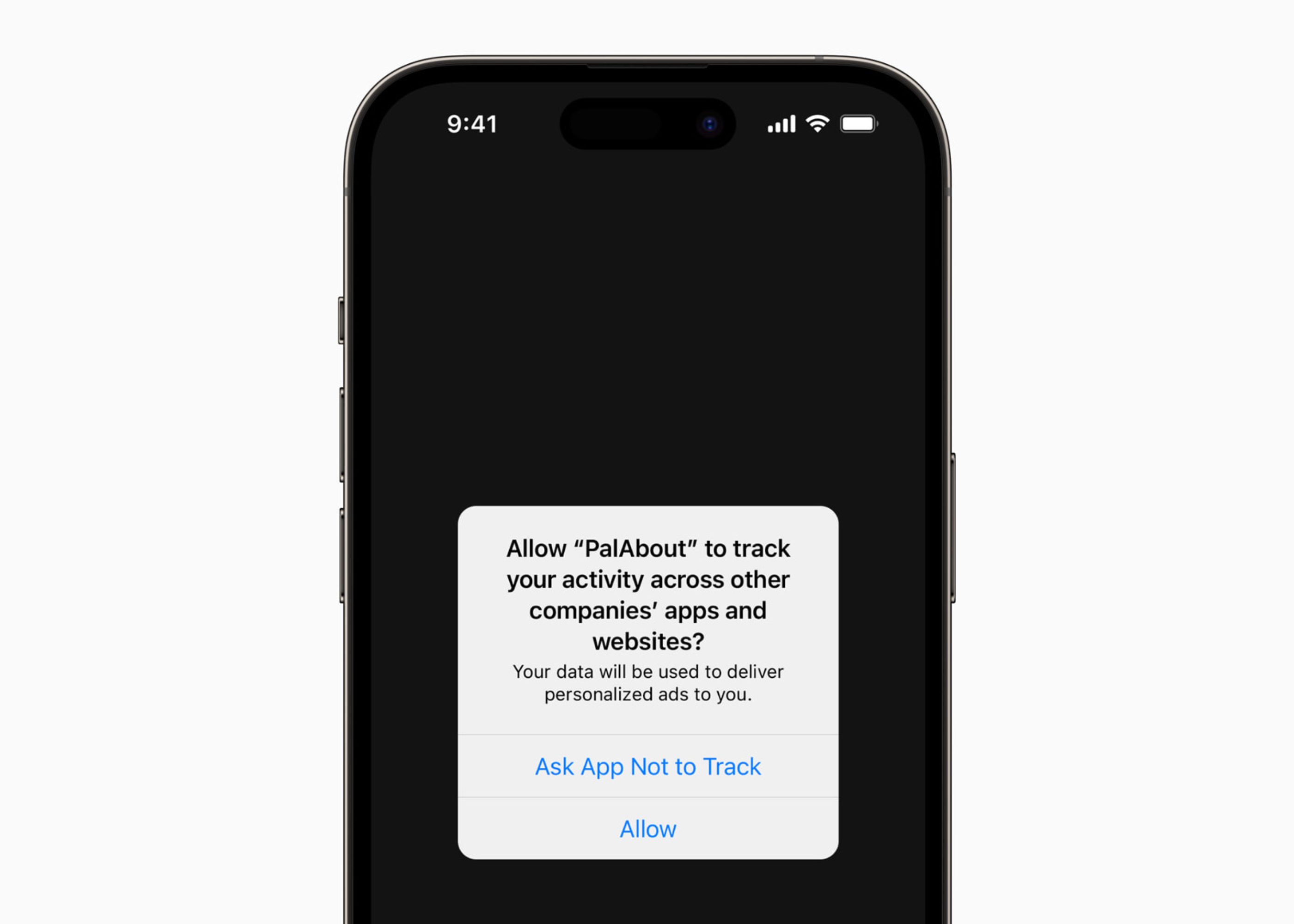
A new lawsuit landed against Apple in London this week, as reported by Reuters, and the numbers behind it are hard to ignore. App developers filed a £2 billion ($2.7 billion) claim at the Competition Appeal Tribunal, arguing Apple’s App Tracking Transparency rules put third parties at a disadvantage the company itself never has to deal with.
The Core Argument
Developers say Apple enforces one set of rules for outside apps and a looser one for itself. Their apps must show a permission prompt before collecting tracking data used for ad targeting. Apple’s own apps skip that prompt entirely.
Apple’s answer hasn’t changed much over the years. Company representatives say their apps simply don’t collect the kind of data the ATT prompt covers, so there’s nothing to disclose. Third-party apps get the same treatment when they don’t touch that data either. The rules apply evenly, Apple insists, no matter who’s building the app.
A Regulator Turned Plaintiff
Ann Pope filed this case, and her background makes it notable. She once worked as a senior official at Britain’s Competition and Markets Authority, the very regulator that has investigated Apple’s tracking policies for years. Her statement pulled no punches: businesses that depend on Apple as a gatekeeper have suffered real financial harm, and this lawsuit exists to hold Apple accountable and recover those losses.
Not Apple’s First Rodeo in London
Apple has now been dragged into three separate ATT-related fights at this tribunal. One case already ended in a loss for Apple, currently under appeal. Another sits unresolved. Add to that a separate £1.5 billion ruling from October over App Store commission fees, also being appealed, and a pattern starts to emerge. UK courts keep finding reasons to scrutinize how Apple treats developers on its platform. This latest claim needs formal certification before any trial begins.
Behind the Policy Itself
App Tracking Transparency exists to give iPhone owners a say in whether their activity gets tracked across apps for ad purposes. Privacy groups have praised the feature since it launched, and Apple leans on that reputation whenever legal trouble shows up. In its statement on the new suit, Apple called privacy a fundamental right, defended the policy as applying equally to every developer, and promised to fight the claims in court.
Whether judges agree with Apple’s framing or side with the developers pushing back will shape how far tech giants can go when writing their own rules for competitors.
Comments
Comments will load as you approach this section.