
The new iPad mini went on sale last Friday, and it marked the biggest update to Apple’s smallest tablet, bringing an OLED display to the iPad mini for the very first time. It starts at $699; however, that also put the iPad Air in a very odd position since for just $50 more, you would get a larger display, sure, but that display is still using an LED-backlit LCD display. We know the benefits of having an OLED display, especially with better efficiency, higher contrast ratios, and improved response times.
Thankfully, a new report from DigiTimes suggested that Apple could bring OLED to both sizes of the iPad Air in the first half of 2027. Samsung Display, which also supplies display panels for the OLED iPad mini, is expected to be the main supplier for the upcoming iPad Air’s panels, while LG is expected to continue being the main supplier for the iPad Pro’s tandem OLED displays.
However, as we saw with the iPad mini, it’s possible that the iPad Air will likely feature a single-stack low-temperature polycrystalline silicon (LTPS) panel. This means that the refresh rate of the iPad Air would continue to be capped at 60Hz (fixed refresh rates). Hence, the iPad Pro will continue to be the leader in the iPad category when it comes to OLED display technology since that model features two-stack low-temperature polycrystalline oxide (LTPO) panels that allow variable refresh rates (a.k.a. ProMotion technology) from 10Hz to 120Hz.
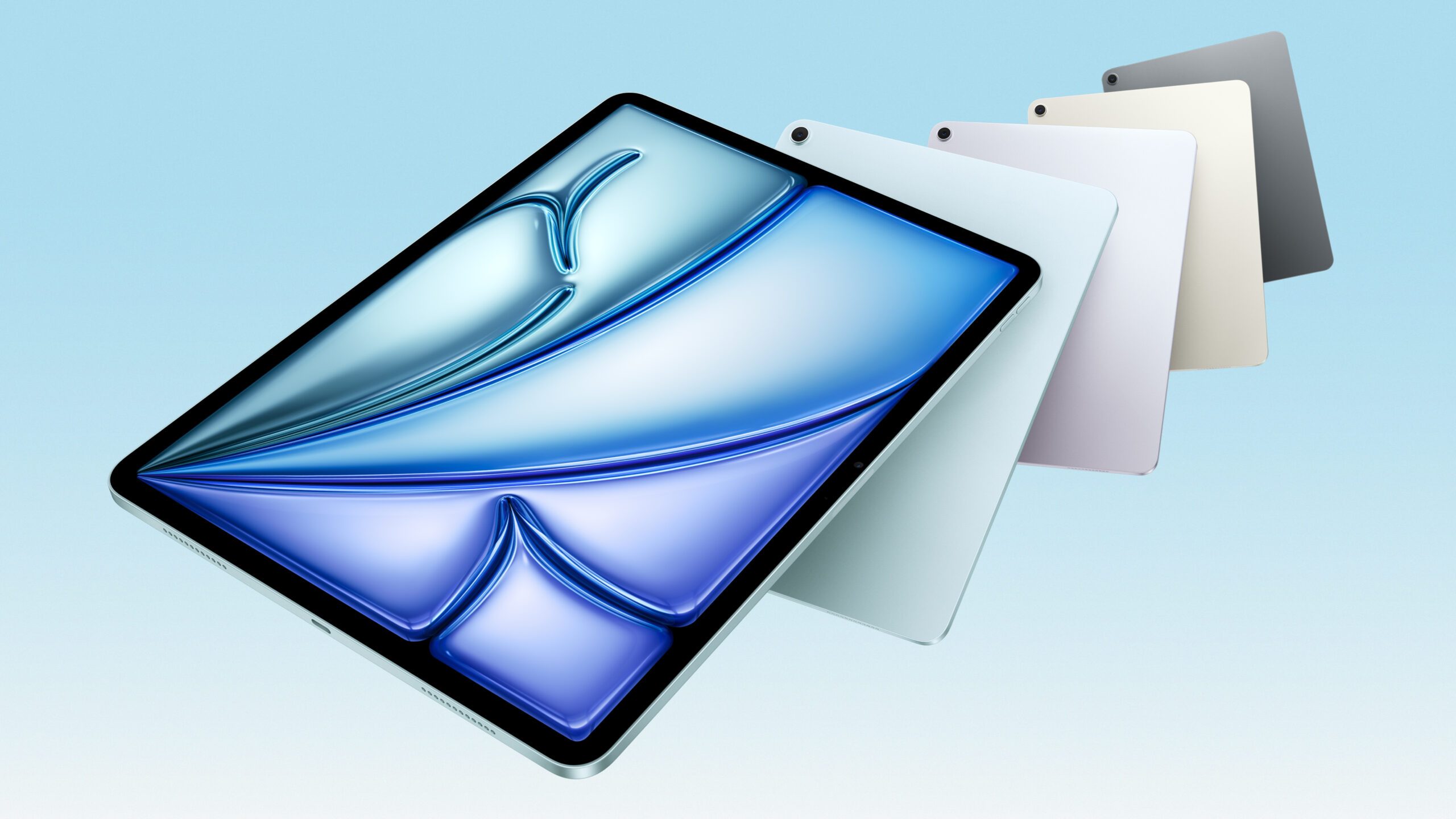
With that said, the iPad Air comes in both 11-inch and 13-inch screen sizes, and both sizes are expected to feature OLED just like on the iPad mini. Since the latest iPad mini brought so many new features, it’s likely that the upcoming iPad Air will follow suit in adopting these features, including:
- 11-inch / 13-inch Super Retina XDR displays
- Thinner bezels
- At least Starlight and Midnight finishes
- Acoustic Display
- IP67 water and dust resistance rating
- Adaptive True Tone flash (remember that the iPad Air still doesn’t have an LED flash)
- C2 modem for cellular models
Lastly, I wouldn’t be surprised if the iPad Air would receive another price hike once it adopts OLED. We saw this with the iPad mini when its starting price went up from $599 to $699. The iPad Air currently starts at $749, so I’d expect the $100 price increase for the iPad Air. That would bring the iPad Air to start at $849 as the new starting price.
The iPad Air has somewhat been a terrible value to some critics since it features a more powerful M-series chip, yet the older display technology just makes this tablet out of place. Thankfully, the next iPad Air should bring a more meaningful update.
Will you be waiting to get the new iPad Air when it comes out? Sound off in the comments below.
Comments
Comments will load as you approach this section.