The iPhone 17 proves to have a leaner, thinner, and more balanced design. That shift forces a practical question: does it still make sense to pair a slim, carefully engineered phone with a thick, soft case that changes how it feels and functions?
For many users, the answer is no. A growing group of iPhone owners is moving away from traditional protective cases and toward alternatives that focus on preserving the phone’s original size, shape, and usability (while still offering everyday protection where it actually matters).
In this blog, we’ll look at the best iPhone 17 case alternative that prioritizes minimal bulk, functional compatibility, and long-term usability. This alternative focuses on preserving the phone’s original size and shape while still offering everyday (modern!) protection.
Choosing the Best iPhone 17 Case
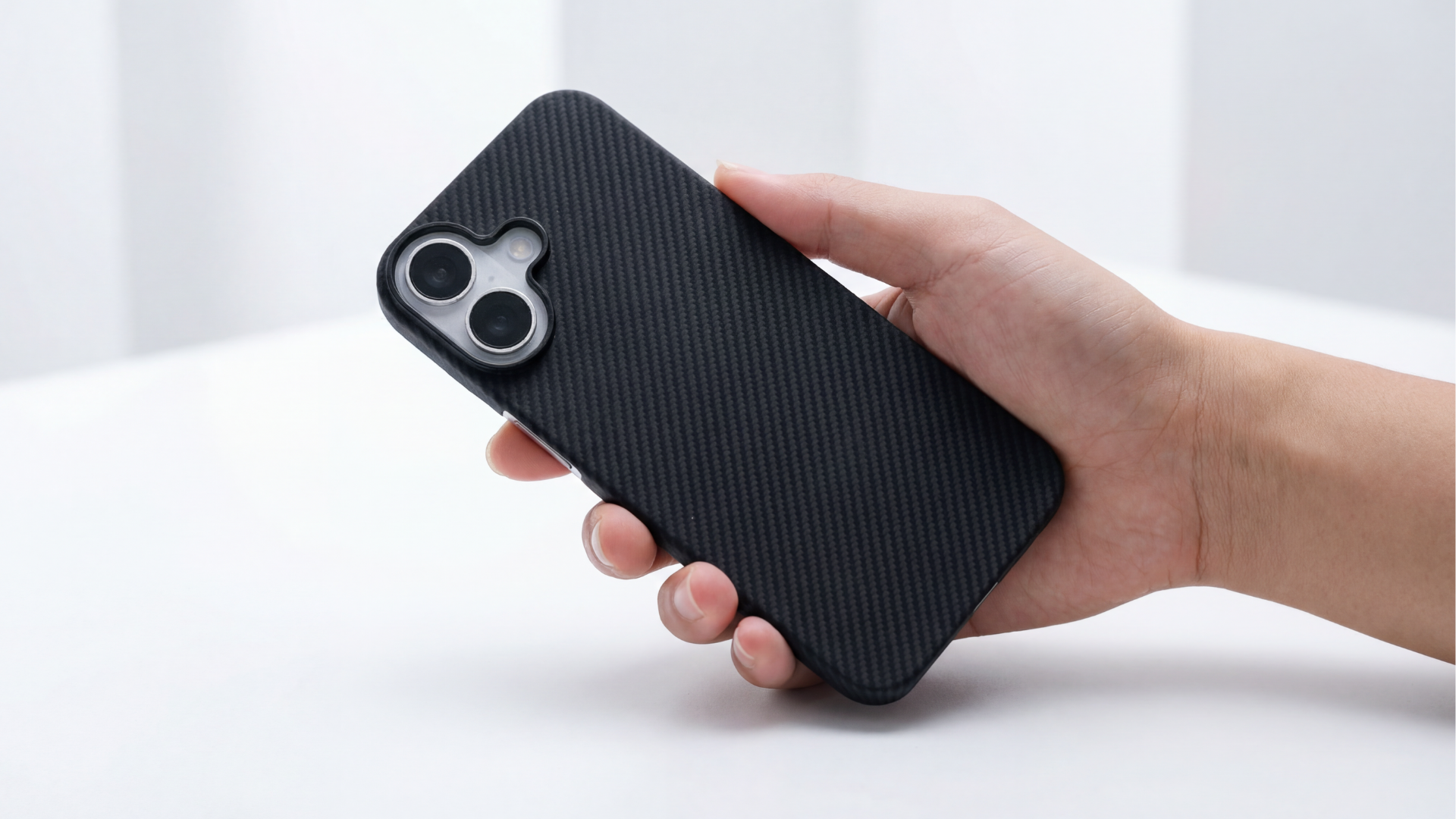
Apple phone cases typically set the baseline for design, fit, and ecosystem compatibility. They are built to integrate cleanly with iOS features and accessories, and Apple has shown interest in expanding what a case can do. There have even been reports suggesting Apple is exploring cases with added functionality, such as touch-sensitive surfaces, reflecting how closely the company views cases as part of the overall iPhone experience.
That said, Apple’s official cases tend to follow a familiar pattern. They often add noticeable thickness, rely on soft materials that wear down over time, and offer limited variety for users who prefer a more minimal feel or firmer structure.
Because of this, some iPhone 17 users look beyond Apple’s lineup and consider thin cases as an alternative category. Below are the features people who move away from Apple cases usually prioritize.
1. Perfect for Everyday Carry
Thin cases are designed to add as little bulk as possible. This makes the iPhone 17 easier to slip into pockets, hold comfortably for long periods, and use one-handed. Over the course of a full day, even small reductions in thickness and weight noticeably reduce hand fatigue.
For users who frequently take their phone in and out of pockets, bags, or car mounts, a slimmer profile also means fewer snags and a more natural grip when pulling the phone out quickly.
2. Full MagSafe Support
A well-designed thin case maintains proper MagSafe alignment. With less material between the phone and accessories, magnetic wallets, chargers, and mounts tend to connect more reliably and sit flatter against the back of the device.
This consistency matters for users who rely on MagSafe throughout the day. A thin case reduces the chances of weak magnetic attachment, uneven charging, or accessories shifting during use.
3. Preserves Apple’s Design Language
One of the main reasons people choose an iPhone is its industrial design. Thin cases are built to respect that design rather than obscure it. Edges remain sharp, button placement feels accurate, and the camera module stays visually balanced.
Instead of reshaping the phone with thick borders or oversized lips, a thin case keeps the iPhone 17 looking and feeling close to how it was designed to be used.
4. Improved Grip Without Soft Rubber
Many thin cases use rigid or lightly textured materials instead of soft rubber or silicone. This approach improves grip through surface finish rather than friction, making the phone easier to hold without feeling sticky.
Over time, these materials also age better. They are less likely to collect dust, lint, or oils, and they tend to maintain their original texture and appearance after months of daily use.
5. Lightweight Protection for Low-to-Moderate Risk Use
Thin cases are not meant for heavy-duty protection. Instead, they focus on preventing the most common forms of damage: scratches from keys, scuffs from desks, and minor drops during normal handling.
For users who work indoors, commute daily, or spend most of their time in controlled environments, this level of protection often aligns better with real-world risk than bulky, overbuilt cases.
6. Better Heat and Charging Efficiency
With less material surrounding the phone, thin cases can help reduce heat retention during charging or extended use. Thicker cases, especially those with layered padding, can trap heat and affect charging performance.
Wireless charging also tends to be more consistent with thinner cases, as there is less interference between the charging coil and the charger, reducing excess warmth and alignment issues.
Best Apple iPhone 17 Case Alternative
For users who want something slimmer than Apple’s official cases, premium thin phone cases have become a popular alternative. These cases focus less on cushioning and more on precision fit, rigid materials, and minimal added thickness.
Rather than positioning themselves as protective gear, they function as a structural layer, one that protects the surface of the phone while preserving:
- Size
- Balance
- Functionality
- Design
- Everyday usability
- Durability and longevity
This category appeals to users who want their iPhone 17 to feel “almost bare,” but not unprotected.
Conclusion
The best iPhone 17 case isn’t defined by how much material it adds, but by how well it matches the way the phone is actually used. As Apple continues to refine the iPhone’s form factor, bulky cases increasingly feel out of step with the device they’re meant to protect.
For smart tech users who value design, comfort, and everyday efficiency, thin cases offer a practical middle ground. This choice preserves the iPhone 17’s original feel while providing just enough protection for daily life.