Face ID has been the standard on today’s iPhones and iPad Pro, and this biometric authentication is made possible thanks to the TrueDepth camera system and the Secure Enclave on Apple Silicon. Now, according to Instant Digital, Apple is working on miniaturizing the TrueDepth camera system for the next-generation iPhone Air. This would arguably address one of the biggest downsides of iPhone Air, which has only one rear camera, which is considered “overpriced” for what you’re paying for, especially when the iPhone Air starts at $999, whereas the base iPhone 17 with two rear cameras starts at just $799.
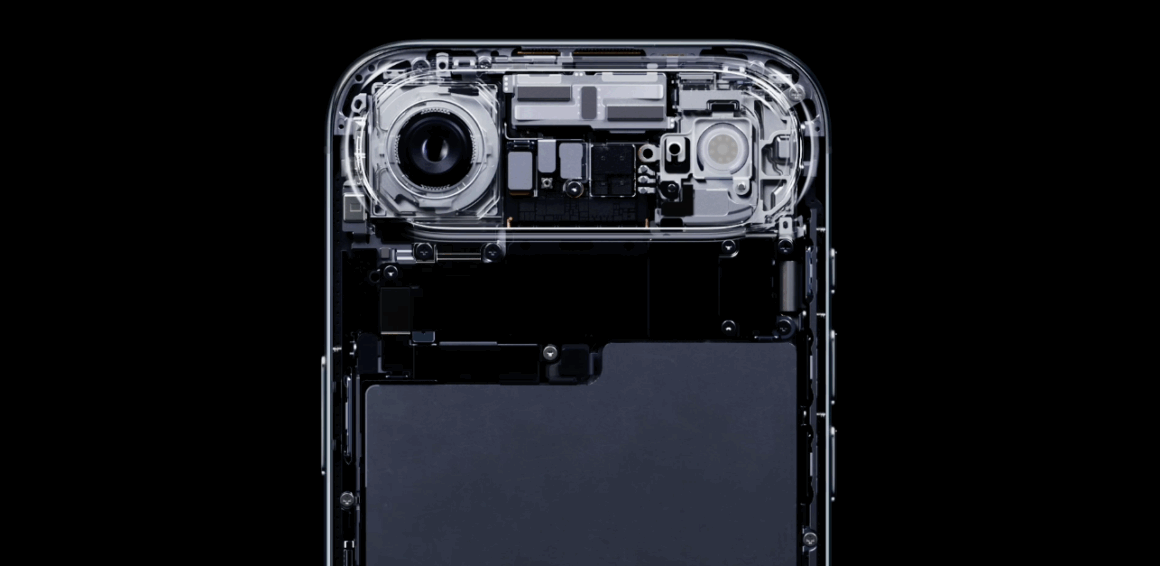
The camera plateau on iPhone Air plays an essential role as it houses most of the components to maximize space efficiency, especially for packing a highly dense battery. So reducing the size of the Face ID component could allow space for another rear camera; The Information previously suggested that Apple was working on adding a second camera for a future iPhone Air model. However, recent rumors suggest that the next iPhone Air could launch in fall 2026 with very minimal updates.
On another note, Apple could bring this more compact Face ID component for its future generation of the iPhone Fold. If you think about it, the iPhone Fold is going to be very thin when it’s unfolded, and the iPhone Air is clearly an “experiment” on how Apple could make an iPhone Fold so thin without bending. Rumors suggest that the first iPhone Fold could instead feature Touch ID on the side button, similar to how Touch ID was implemented on iPad, iPad mini, and iPad Air. Putting the current Face ID component on the upcoming iPhone Fold would be almost impossible to put in the slimmer design, so redesigning that component for future iPhone Air and iPhone Fold models would make sense.
We could also see this smaller Face ID component on future MacBooks. We expect new MacBook Pros to come out later this fall with a radical design and OLED touch screens, and since these displays would be so thin, it would be ideal for Apple to implement Face ID with the smaller TrueDepth camera system. So far, Apple has not brought Face ID to any of its Mac products, as today’s MacBooks feature Touch ID, and for any Mac desktop, you could get the Magic Keyboard with Touch ID. Apple actually tested Face ID for the iMac, according to Mark Gurman from Bloomberg, but that never came to fruition.
Still, it looks like this would be another feat of engineering for Apple to improve space efficiency on iPhone Air and iPhone Fold and bring Face ID to Macs once and for all.