
Apple’s latest smart home announcement is giving fans a new reason to watch the company’s next move. Following the October 13 launch of Apple HomeView, search interest in Apple’s connected-home technology is climbing sharply, while Apple TV is also attracting renewed attention. The shift suggests that consumers are looking beyond the iPhone to explore how Apple’s ecosystem can connect entertainment, communication, and everyday home management.
For tech enthusiasts, the headline is more than another hardware launch. It signals Apple’s growing ambition to make the home an extension of the devices people already use.
Apple HomeView Drives the Latest Search Trend
The biggest movement in the supplied US search-interest data centers on HomeView and Apple’s smart home ambitions. Three related queries, “homeview,” “apple homeview,” and “homeview apple,” recorded increases of 3,950%, 4,000%, and 4,000%, respectively. Meanwhile, “apple home” climbed by 250%.
These figures make HomeView the standout topic in the dataset. Although search spikes don’t necessarily translate into purchases, they can signal growing curiosity about a newly announced product, especially when consumers are looking for specifications, pricing, release dates, and compatibility information.
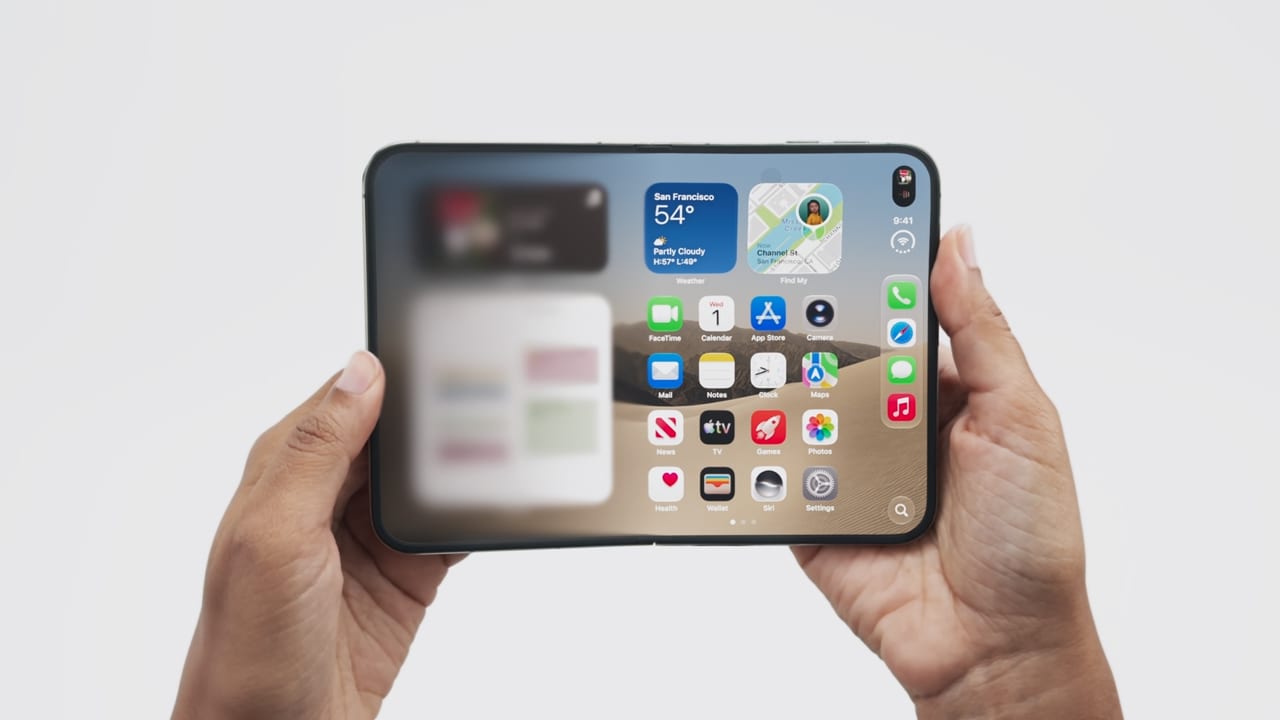
Apple officially introduced HomeView on October 13, describing it as a device that combines entertainment, communication, and smart home controls through a 7-inch Liquid Retina display and Siri AI. The company also highlighted personalized experiences, FaceTime, multiroom audio, and privacy-focused features. Apple’s official announcement provides the product details.
The announcement helps explain why HomeView-related searches are attracting attention. Rather than focus on a single task, the device is designed to bring several familiar Apple services and household functions into one place.
What Makes Apple HomeView Interesting to Tech Enthusiasts?
For Apple fans, the appeal of HomeView lies in how it connects existing products rather than simply adding another screen to the home.
The device is designed for tabletop placement or wall mounting, allowing users to position it in spaces such as kitchens, hallways, and living rooms. Its features include access to personal information, music playback, video calls, and compatible smart home controls.
Face recognition is another notable feature. HomeView can adapt its displayed personal content to different household members, making shared access more personalized. Apple also says its design prioritizes privacy and security, an important consideration for a device intended to operate in frequently occupied spaces.
However, integration is only useful when it works with the equipment people already own. Buyers should check compatibility with their existing smart home accessories and understand which functions require supported devices or services before investing.
HomeView is scheduled to become available in the United States and several other markets on November 13. Apple has announced a starting price of $299, making it a product worth comparing with competing smart displays and home hubs before purchasing.
Apple TV Gains Momentum as Entertainment Meets Smart Home Technology
While HomeView dominates the search-interest figures, “apple tv” also recorded a 40% increase. That rise is notable because Apple’s latest announcements connect home entertainment more closely with its broader smart home strategy.
Apple introduced a new Apple TV 4K alongside HomeView, expanding the company’s push into connected living spaces. The updated streaming device is scheduled to arrive on October 30, ahead of HomeView’s November launch.
For users who already rely on Apple TV for streaming, the bigger question is how future software updates and Siri AI features could improve the experience. A more connected setup could make it easier to manage entertainment, interact with smart home accessories, and move between devices without treating each product as a separate system.
The opportunity extends beyond watching television. Apple’s strategy increasingly brings together entertainment, communication, and household automation, giving existing customers more reasons to explore its connected-home products.
What the Other Apple Search Trends Reveal
Not every major Apple product recorded an increase. The supplied search data shows a mixed picture, suggesting that the current surge is concentrated around Apple’s smart home announcements rather than its entire product lineup.
| Search query | Change in interest |
| Apple HomeView | +4,000% |
| HomeView Apple | +4,000% |
| HomeView | +3,950% |
| Apple Home | +250% |
| Apple TV | +40% |
| Apple Music | +1% |
| Apple Pay | -5% |
| Apple Store | -10% |
| Apple Watch | -20% |
| Apple iPhone | -20% |
Source: User-supplied US search-interest data, October 14, 2026.
The distinction matters. Apple’s flagship products remain central to its ecosystem, but a major announcement can temporarily shift attention toward a newer category. The decreases in Apple Watch and iPhone searches do not, by themselves, prove that consumers are losing interest in those devices.
Similarly, a 4,000% increase does not automatically mean a search term receives more traffic than a well-established keyword. Percentage changes can be dramatic when the starting level is small. The reporting period and underlying search volumes would be needed to determine the scale of the change.
For SEO professionals, technology publishers, and Apple-focused creators, the immediate opportunity is to cover HomeView’s features, pricing, compatibility, privacy considerations, and availability with information readers can actually use.
Apple Music and Apple Pay Remain Part of the Bigger Picture
Apple Music recorded a modest 1% increase, while Apple Pay declined by 5% in the supplied dataset. These movements are relatively small compared with the surge in HomeView-related searches, but both services remain relevant to Apple’s connected-device strategy.
HomeView supports Apple Music, including animated album artwork and lyrics. It also supports multiroom audio when used with compatible HomeView, HomePod, HomePod mini, and AirPlay-enabled speakers. This creates a more integrated listening experience for households that already use Apple’s audio products.
Apple Pay occupies a different role. Rather than entertainment or home automation, it connects Apple’s hardware to everyday transactions. Its availability depends on supported markets, banks, payment networks, and participating merchants, so users should check local support before relying on it.
Together, these services illustrate why Apple’s ecosystem matters to its customers. A device’s value often comes not only from its hardware but also from how it works with the apps, subscriptions, and accessories people already use.
The same ecosystem-driven thinking appears across digital entertainment. Someone comparing streaming services, smart home platforms, or gaming experiences like Spin Plus may evaluate convenience, device compatibility, and ease of access alongside individual features.
Different products serve different purposes, but the underlying expectation is similar: technology should work smoothly without unnecessary complexity.
What Apple Fans Should Watch Next
The HomeView announcement raises several practical questions for consumers considering an upgrade.
First, compatibility will matter. Buyers should verify whether their existing smart home accessories support Apple Home, Matter, or the specific functions they want to use. A polished interface cannot compensate for incompatible hardware.
Second, privacy deserves more than a glance at the marketing materials. HomeView includes facial recognition and camera and microphone processing safeguards. Users should still review setup requirements, account permissions, subscription conditions, and the availability of features in their region.
Third, the total cost deserves attention. The announced $299 starting price is only part of the calculation for users considering wall mounting or purchasing additional smart home accessories. Apple says its new Home Collection accessories will begin arriving in December, with select products following in early 2027.
Finally, Apple enthusiasts should distinguish confirmed specifications from speculation. Product announcements establish what Apple has actually committed to delivering; search trends reveal what people are curious about. Neither guarantees how well a device will perform in everyday use.
The Bigger Story: Apple Is Expanding Beyond the iPhone
The latest US search trends point to a clear shift in attention toward Apple’s smart home ambitions. HomeView-related queries have surged, Apple Home has gained interest, and Apple TV has experienced a notable increase following the company’s October announcements.
The iPhone, Apple Watch, Apple Music, and Apple Pay remain important parts of the ecosystem, even as their search-interest figures move in different directions. What makes this moment interesting is the possibility of a more unified experience connecting personal devices with the home itself.
For tech-savvy consumers, the next stage of Apple’s development will be worth following closely. HomeView’s real test will not be how many people search for its name after launch, but whether its features, privacy protections, compatibility, and price make it useful enough to earn a permanent place in their homes.
Sources
Apple Newsroom: HomeView announcement

0 comments
No comments yet. Start a thoughtful conversation.