


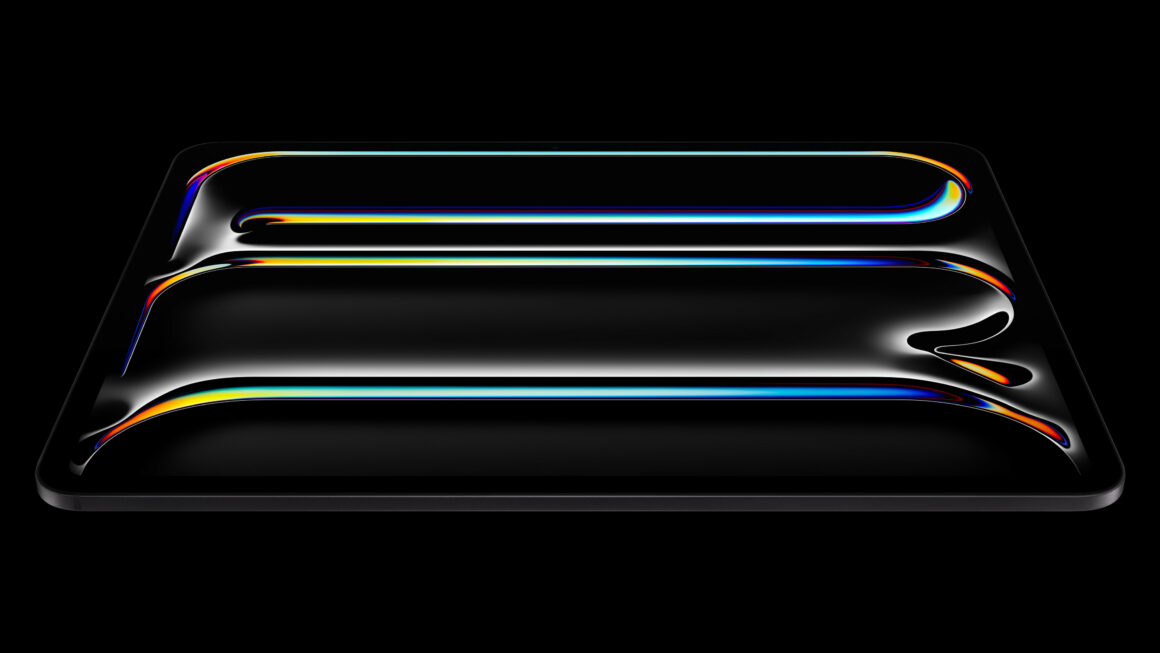
It has long been rumored that Apple is gearing up to transition many of its products to use the advanced, state-of-the-art OLED display technology, and a new DigiTimes report indicates that Apple aims to bring OLED displays to five Mac or iPad models over the course of three years.
According to the Taiwanese publication’s industry sources, these are the five products that will transition to OLED between 2026 and 2029:
- iPad mini: 2026
- MacBook Pro: Late 2026 or early 2027
- iPad Air: 2027
- iMac: 2028 or 2029
- MacBook Air: 2028 or 2029
The iPad mini is expected to get updated this coming fall with an all-new redesign that will be water-resistant for the first time on an iPad. The design will be made possible because it’s rumored to use vibration-based speakers. Additionally, besides the slightly larger ~8.5-inch OLED display, the iPad mini could feature the A20 Pro chip.
For the MacBook Pro models, expect a major redesign for those models. They will certainly feature tandem OLED displays like the ones the current iPad Pro models use, and for the first time, those screens will support multi-touch controls. Expect those models to come in both 14-inch and 16-inch, although the screens could get slightly larger based on previous rumors. The upcoming MacBook Pro models are expected to feature the M5 Pro and M5 Max chips, according to Bloomberg‘s Mark Gurman, as Apple is planning to quickly skip development on the M6 Pro/Max chips to solely focus on substantial AI-related performance improvements with the entire family of M7 chips.
The iPad Air has long used the same LCD technology for years, but that may certainly change next year. However, unlike the iPad Pro, today’s report indicated that the next iPad Air will unsurprisingly feature a single-stack LTPS OLED display, which will mean that Apple will continue to differentiate the iPad Air from the iPad Pro by having lower brightness levels and 60Hz refresh rates. The iPad Air could also feature a new design based on the upcoming iPad mini as we discussed earlier.
The next update for the iMac that’s coming this fall won’t feature OLED displays, but a follow-up update will certainly feature OLED displays. Previous rumors indicate that the OLED displays for the upcoming iMac will feature five OLED panels for an optimal combination of brightness levels, contrast ratios, efficiency, and overall longevity. LG is rumored to be the supplier for those OLED displays if all goes well.
For the MacBook Air, it’s possible that next year’s MacBook Air for next year could feature Oxide-TFT LCD displays as a “stop-gap” between the current MacBook Air and the OLED MacBook Air for 2028 or 2029. This would allow the MacBook Air’s pricing to stay about the same as overall production costs for OLED displays gradually go down.
For the other products, it’s unclear whether the Studio Display XDR will make the switch to OLED. For now, it features mini-LED backlighting, but Apple will need to update the Studio Display XDR at some point if it’s going to compete with the upcoming OLED iMac. Of course, since the regular iPad and MacBook Neo are Apple’s most affordable products, expect them to stick with the standard LCD displays.
Still, the future for Apple’s products remains bright.


