
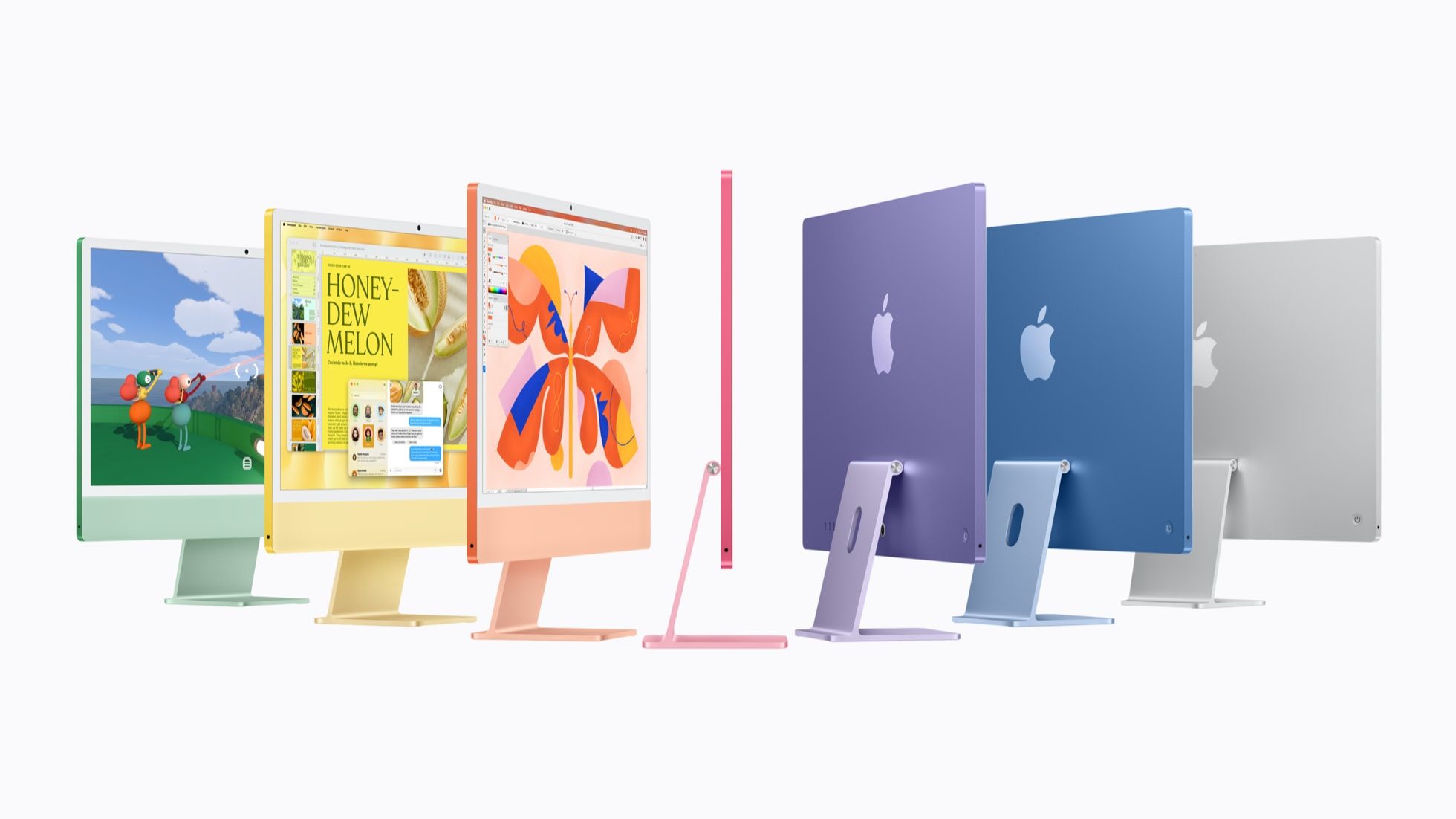
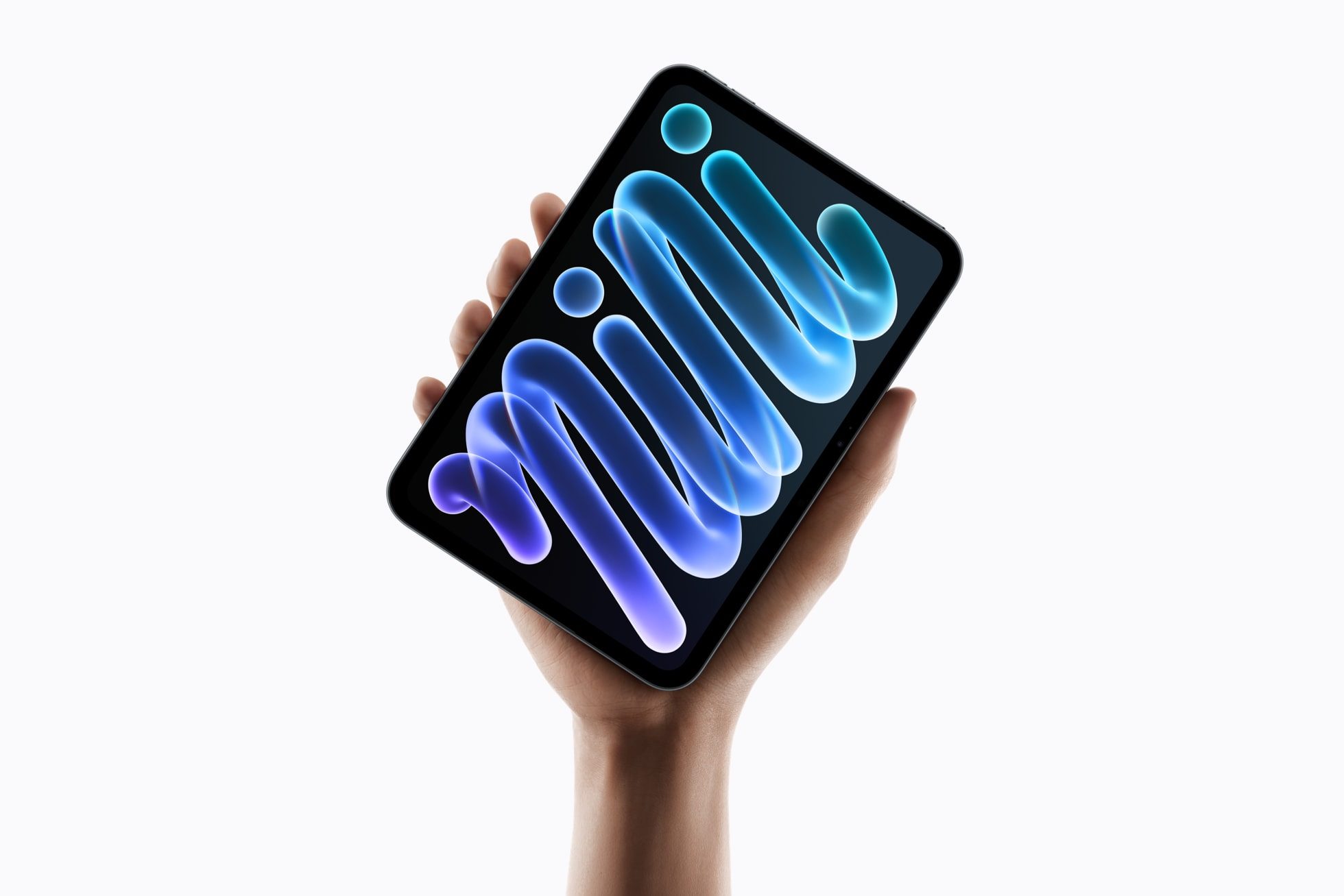
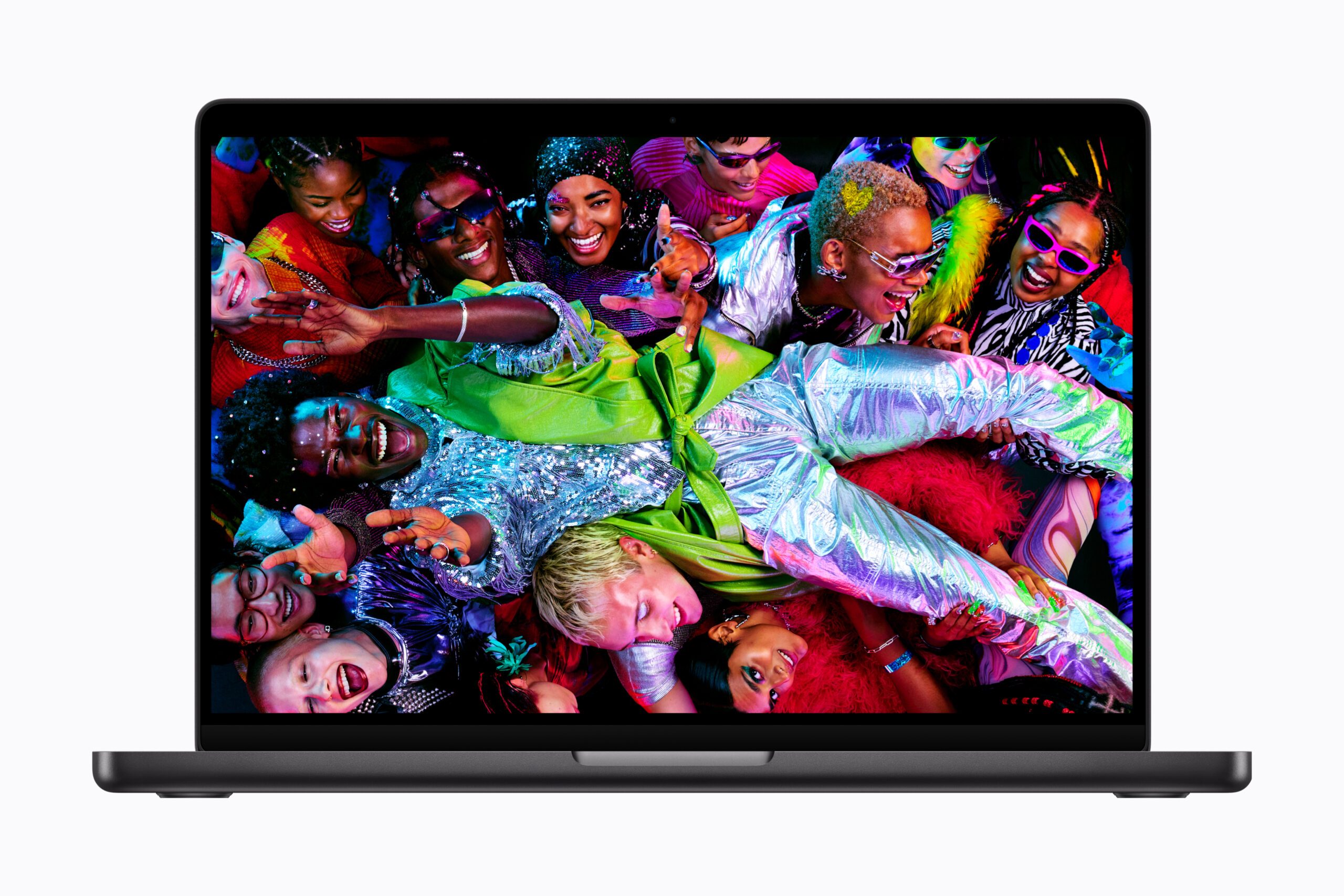
We’ve had a plethora of new Apple products, including the MacBook Pro with PROLED XDR display and the iPad mini with A20 Pro, both of which feature OLED displays. The iMac was recently updated too with the M6 chip, but it still retains the 4.5K Retina Display that’s LED-backlit. For several months, it was rumored that the iMac would be among Apple’s products to transition from LCD displays to OLED displays in the next few years; however, if you’re holding your breath for an OLED iMac, a recent report suggests otherwise.
According to The Elec, Apple may be considering delaying or even canceling development of a future iMac with an OLED display. While it may come as a surprise for some people, there are two reasons behind this decision.
The first (and perhaps the most obvious) reason is the high manufacturing costs overall. If you recall a few months ago, there was a rumor that Apple was exploring multiple extra panels for an OLED display that would be destined for the iMac. Single-panel OLEDs would be feasible for smaller displays such as an Apple Watch or an iPhone since they would provide enough brightness levels without consuming much power. Of course, as the displays get larger, it would require even more power to drive individual pixels, which may lead to too much power consumption or even shortened display life overall. That’s why Apple develops tandem OLED displays with two panels stacked together to maintain sustained, high brightness levels while optimizing efficiency and overall longevity of the display. Of course, the more panels stacked together, you could imagine how costly it will be to manufacture displays with up to five panels. Of course, with the ongoing RAMpocalypse, memory and storage just get even more expensive.
The second reason is that the iMac is more of a niche product from Apple recently. Believe it or not, the iMac used to be a very popular product from Apple when it originally launched in 1998. You’d find those colorful gumdrop-shaped designs just about everywhere, especially in schools. However, as laptops became more affordable and mainstream, most customers would choose a laptop over a desktop, and Apple silicon further changed the game when it brought unparalleled levels of performance per watt, enabling superior performance and even longer battery life on MacBooks. If customers were to choose a desktop, they would easily prefer a more modular setup like a Mac mini or a Mac Studio, and they would bring their own display, keyboard, and mouse (or trackpad). If you were to upgrade your iMac, you’d have to replace the whole setup since it’s an all-in-one form factor, but with a modular setup, you could upgrade either the display or the computer separately. Furthermore, that’s why MacBooks would get updated more frequently compared to Mac desktops. In other words, MacBooks get updated every year, whereas Mac desktops would usually get updated every 2-3 years in general. Prior to the M6 iteration, the last update to the iMac happened two years ago with the M4 iteration.
So with higher production costs and relatively low demand, it becomes harder to justify raising prices even further just to adopt OLED displays. We’ve seen this before with the M4 iPad Pro. This iPad Pro introduced the tandem OLED display, so it was a huge upgrade overall; however, despite featuring the highly capable M4 chip, its hardware was still held back by iPadOS’ software limitations. Although iPadOS has brought many improvements in many areas such as multitasking and windowing since then, some people don’t see the iPad Pro as a full replacement for a traditional computer, plus some customers are still holding onto their M1- or M2-based iPad Pros since the relatively higher starting price doesn’t justify the upgrade overall.
Previous rumors indicated that an OLED iMac would launch in 2029 or 2030; however, it’s now reported that Apple is seeking LCD suppliers to develop panels for the iMac in the next few years, which means that the iMac could stick with LCD technology for even longer.
Although it’s sad to see that the iMac may not get the love and attention it originally deserves, I still personally love the iMac; it’s arguably one of the most recognizable designs from Apple in history. I even recently upgraded from an M1 iMac, which was my first Apple Silicon Mac (believe it or not), to an M6 iMac, and that machine is the more full-fledged one with the full-on 12-core CPU, four Thunderbolt ports, and 24GB of RAM. So far, I really love using it, especially when having two windows side-by-side on the expansive 24-inch 4.5K Retina display. It really makes a great home computer for anyone to do both productive and creative work. So the iMac really has a special place in my heart.
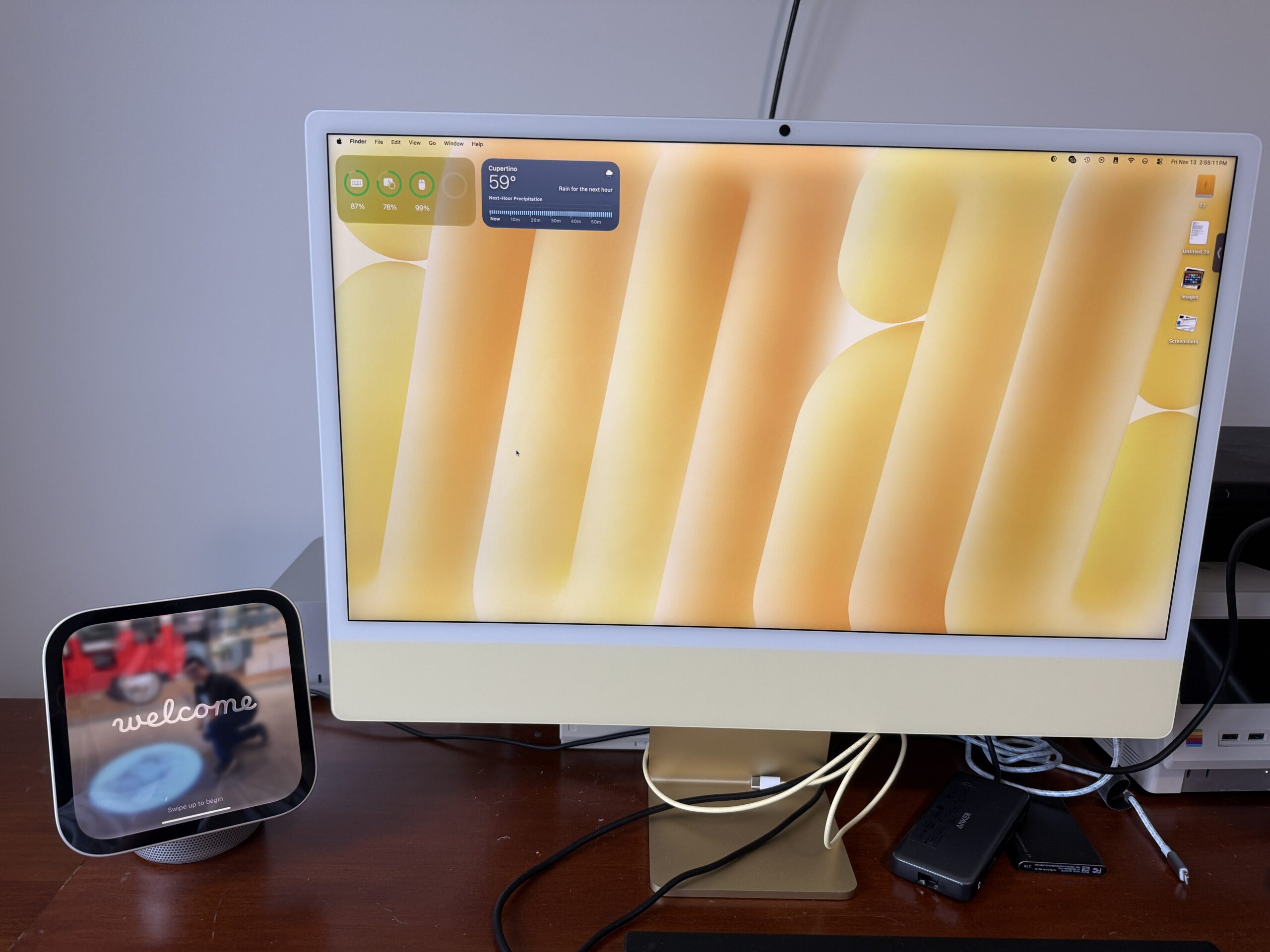
Are you disappointed that Apple may have canceled the OLED iMac? Sound off in the comments below. Make sure you bookmark this site so you can stay up to date with the latest Apple stories and deals.
0 comments
No comments yet. Start a thoughtful conversation.