
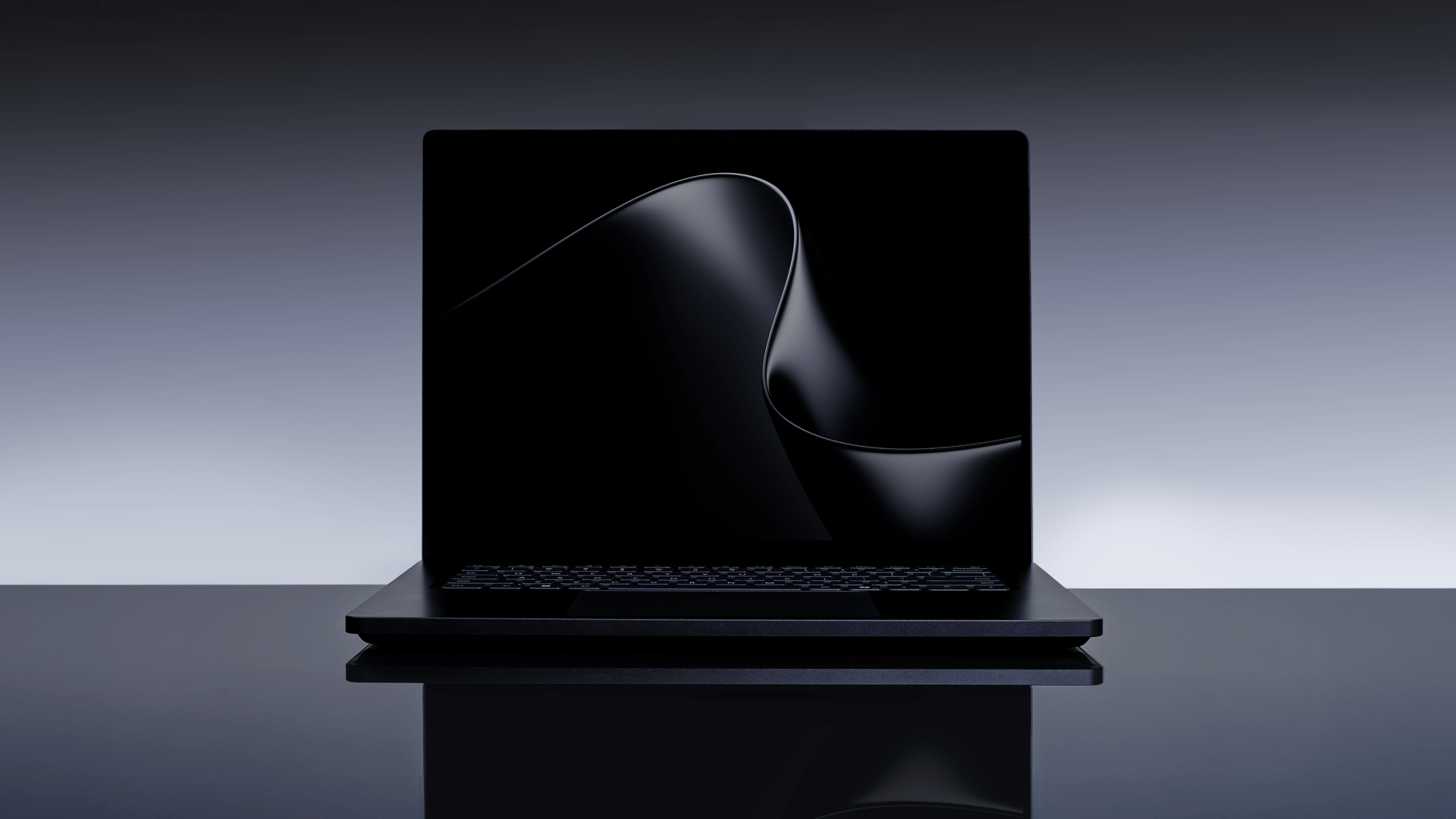
Earlier this morning, Microsoft officially announced what claims to be its most powerful notebook it has ever engineered, and that is the Surface Laptop Ultra.
In this relatively new era of AI, Microsoft touts that this now-flagship laptop is made for the most extreme tasks, especially with pro creative apps, software development, 3D rendering, engineering, and, of course, artificial intelligence. The Surface Laptop Ultra features an Nvidia RTX Spark chip, and this Arm-based chip brings incredible specs for any PC:
- Nvidia Blackwell RTX GPU with up to 6,144 cores
- Nvidia Grace GPU with up to 20 cores
- Up to 128GB of unified memory
Not only is the Ultra Microsoft’s most powerful notebook, but it also features the most advanced display the company has ever put into a notebook. In fact, the Ultra features a brilliant 15-inch mini-LED “PixelSense Ultra” display with a resolution of 3270 by 2180 pixels (3:2 aspect ratio). Microsoft even claims this display to be 25% brighter than the M5 series MacBook Pro in terms of peak HDR brightness. As with other Surface laptops, the Ultra’s display also supports direct multi-touch gestures, although it lacks pen input.
The Ultra is also Microsoft’s most versatile laptop when it comes to connectivity – in fact, it has the most ports ever on any Surface laptop:
- Three USB-C ports
- USB-A ports
- HDMI port
- SD card reader
- 3.5mm headphone jack
For years, Microsoft has had a proprietary magnetic charger for its Surface products, but this time, there’s no dedicated port solely for charging. That’s right: Microsoft had a nice surprise up its sleeve as it’s apparently bringing a new MagSafe-like solution called MagSafe Connect, which Microsoft claims to be “the world’s first built-in magnetic USB-C charging on a laptop,” so similar to MagSafe, MagSafe Connect just yanks right off when someone trips over the cable. This means no damage to the USB-C port.
Other features that make the Ultra stand out are a large haptic trackpad, similar to Apple’s Force Touch trackpad on the MacBook Pro, and, unlike Apple’s current MacBooks, upgradable storage.
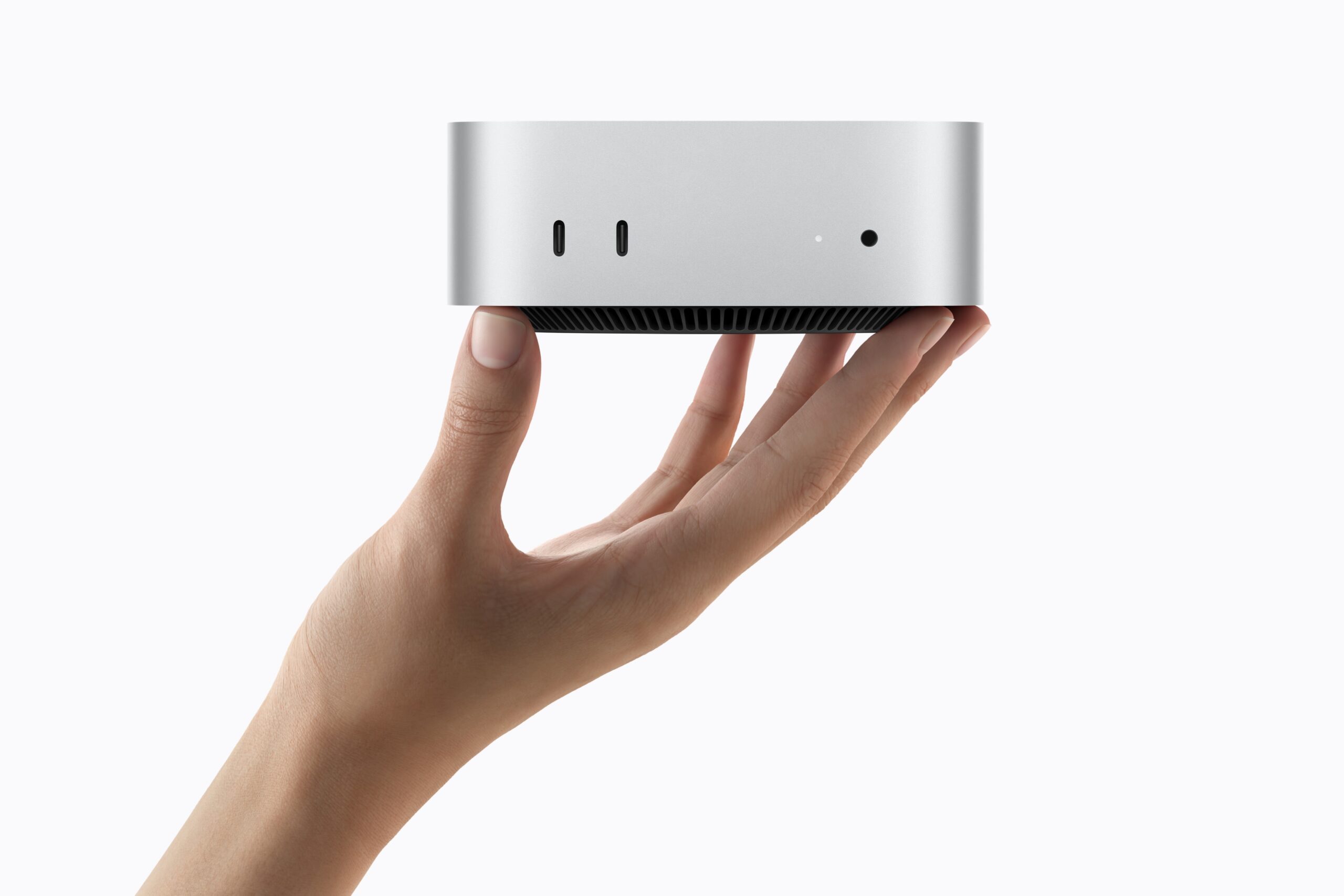
Additionally, to compete against headless computers that are in high demand for AI usage, especially the Mac mini and Mac Studio, Microsoft also launched the $5,999 Surface RTX Spark Dev Box that features one petaflop of AI performance.
The Surface Laptop Ultra starts at $2,599, and it launches on October 16.
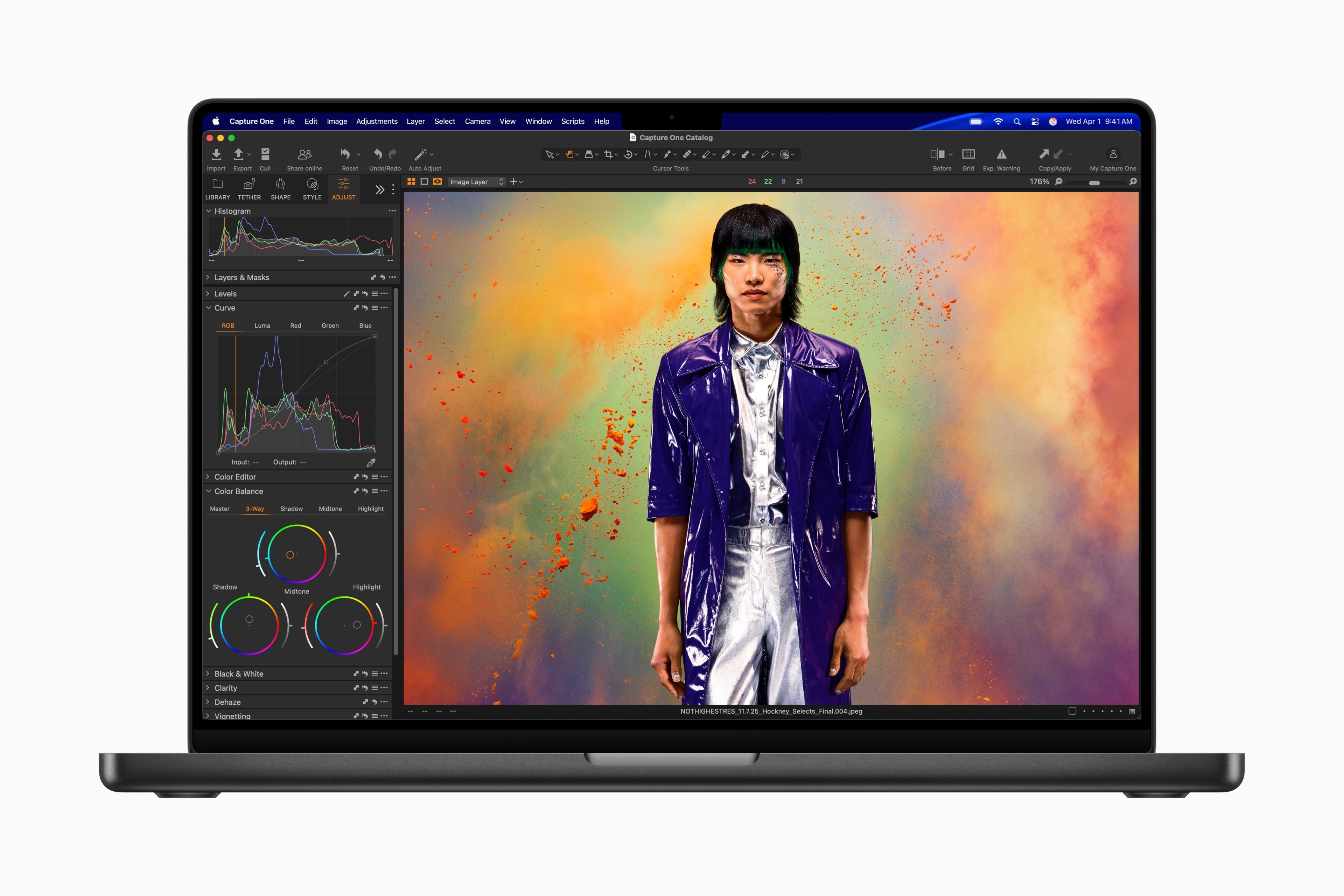
But the question arises: should Apple be worried? After all, we’re expecting Apple to announce its redesigned MacBook Pro models by the end of October. I highly doubt that. After all, Apple’s redesigned MacBook Pros will certainly have several advantages over the Surface Laptop Ultra. For one, they will have the more advanced tandem (touchscreen) OLED displays for even better contrast ratios and response rates. They’ll also feature Apple’s custom-designed M5 Pro and M5 Max chips, and they’ll feature Thunderbolt 5 connectivity as well – something that the Surface Laptop Ultra seems to lack. They could also be thinner and lighter while retaining the wide array of ports. They could also feature optional cellular connectivity for the first time ever in any MacBook. Most importantly, because Apple designs the hardware, the software, the silicon (M5 Pro/Max), the N1 networking chip, and the C2 cellular modem, Apple will continue to deliver the unparalleled integration and optimizations that its products are known for.
I highly doubt that the upcoming laptops will be called “MacBook Ultra” instead despite Gurman’s previous claims, but I have a feeling that they will indeed replace the current mini-LED MacBook Pros with the M5 Pro and M5 Max chips, and they should be priced right around the $2,599 – the same starting price as the Surface Laptop Ultra.
It’s great to see more competition from other PC manufacturers, and I’m sure Apple is going to raise the bar again with its upcoming MacBook Pros.
0 comments
No comments yet. Start a thoughtful conversation.